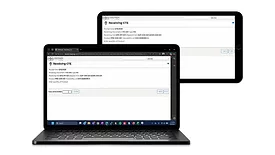
The new tools include a Documents API, a Record Attachments API, and Power BI Connector v3.1.0. The additions are intended to reduce manual data handling and improve information-sharing between SafetyChain and external platforms.
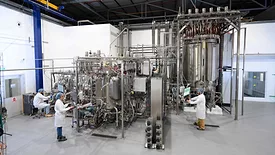
The companies are assessing the effects of controlled light exposure during fermentation on the growth and characteristics of coffee cell cultures. Coffee cell culture may offer an alternative production pathway that is less dependent on agricultural growing conditions.
Each operating company retains its name, people, customer relationships, and local presence while gaining access to shared resources, broader sourcing strength, operational support, and additional capabilities.
The 2018 Farm Bill legalized the sale of hemp-derived products containing no more than 0.3 percent delta-9 THC, allowing a “legal” edibles and beverage market to emerge. The 2025 government shutdown reconciliation bill closed this “loophole,” effective in November.
Citing concerns about antibiotic overuse in food-producing animals contributing to the spread of antimicrobial resistance (AMR), the petition calls for FDA to withdraw approvals for the routine use of medically important drugs for disease prevention.
The EU has implemented increased checks on certain food imports at the border, and has also introduced new certificate requirements for shipments of oysters, clams, mussels, scallops, and other aquaculture products from the U.S. due to veterinary drug use restrictions.
The app-based STEPLogic Tracker is purpose-built for mid-sized food manufacturers and supports industry compliance with FDA’s Food Traceability Rule/FSMA 204.
A series of tabletop exercises led by FDA and involving food companies across the supply chain revealed industry’s progress and challenges in meeting the requirements of the Food Traceability Rule/FSMA 204.
The agency has released a discussion paper offering context and questions about the lot-level tracking requirements of the Food Traceability Rule to help shape engagements with industry, including a virtual public meeting in June.
In this bonus episode of Food Safety Matters, we speak to Dr. Alissa Welsher, Senior Consultant at Elanco Poultry Food Safety, about how preharvest poultry operations can get ahead of increasing insect activity seen in warmer months with robust integrated pest management (IPM) and insecticide solutions.
 RSS
RSS