The next webinar in the food safety culture series will share practical strategies for avoiding complacency through proactive, ongoing reinforcement of company values.
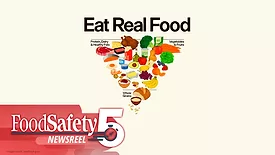
This episode of Food Safety Five reads between the lines of the revised Dietary Guidelines for Americans, discussing its use of the term “highly processed foods,” how its definition differs (or does not differ) from the debated “ultra-processed foods” category, and the potential implications for food policy.
An expert panel that was convened to support FDA’s “Operation Stork Speed” emphasizes the need for streamlined FDA approval processes for infant formulas, more transparent ingredient approval processes (i.e., GRAS, food additive petitions), and enforceable limits for environmental contaminants.
With the goal of helping retail food regulatory programs progress toward achieving FDA’s Retail Program Standards, grant funding supports capacity building, workforce development, and targeted program improvements that strengthen food safety at the retail level.
In this episode of Food Safety Matters, we speak to acclaimed food policy journalist Helena Bottemiller Evich about the rise of the “Make America Healthy Again” (MAHA) movement, the current state of food and nutrition policy under its agenda, and predictions for its future.
A report published by the U.S. Government Accountability Office (GAO) assessed FDA’s completion of the Food Safety Modernization Act (FSMA) and identified several areas requiring more work, such as FSMA 204 implementation, certain Produce Safety Rule and Preventive Controls guidances, and required assessments.
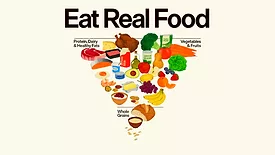
The Dietary Guidelines for Americans 2025–2030 were unveiled on January 7 alongside a new, inverted food pyramid that elevates the importance of protein and dairy, and an “eat real food” messaging campaign that denounces “highly processed food.”
In this bonus episode of Food Safety Matters, we speak to four seasoned professionals with experience in the regulatory, academic, and industry spheres about the increasing rate of U.S. food recalls and how the foodborne illness outbreak investigation system could be improved.
To help paint a picture of how federal food safety and public health regulatory agencies have been affected by the second Trump Administration, this article provides a 2025 timeline summarizing major happenings at HHS, FDA, CDC, and USDA, including firings and hirings, restructurings, policy changes, program and budget cuts, and other actions.
 RSS
RSS