



A U.S. appeals court has ruled that USDA must amend the Bioengineered Food Disclosure Standard to close the loophole that exempts certain “ultra-processed” foods (UPFs) from displaying label disclosures for genetically modified (GM) ingredients. Additionally, the court ruled that QR code-only disclosures are unlawful without explicit on-label statements.
Some EU and UK food law changes in development could arrive sooner than expected, and others will take more time to go into effect. This article discusses food law changes to watch for in 2026.
If FDA plans to elevate its post-market chemical review to a new level, it should introduce a robust regulatory scheme that is adopted through a regular rulemaking procedure
The U.S. Food and Drug Administration (FDA) is making progress on its planned endeavor to take a closer look at substances added to or otherwise found in food and food contact materials.
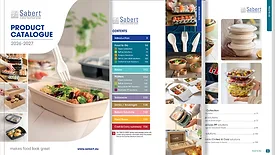
Sabert Corporation Europe has launched a line of fully home compostable and recyclable foodservice packaging that is free from intentionally added per- and polyfluoroalkyl substances (PFAS) and compliant with forthcoming EU sustainability regulations.
From food additive bans and obligatory food packaging changes to consumer right-to-know laws and labeling requirements, keeping abreast of the flurry of legislative and policy activity that is impacting the food industry may seem like an impossible task. This article discusses what you need to know and how best to prepare for upcoming food safety changes.
Tetra Pak has unveiled the first-ever use of its paper-based barrier technology for a juice packaging application by García Carrión. The Tetra Brik Aseptic Slim Leaf carton comprises 92 percent renewable materials and reduces carbon footprint by 43 percent.
At its December 2025 Board Meeting, the UK Food Standards Agency (FSA) recommended that the agency support Codex proposals on precautionary allergen labeling (PAL) and seek UK alignment with Codex PAL recommendations.
Vitsab International AB has introduced Freshtag, a color-changing smart label that monitors time and temperature conditions for perishable foods along the supply chain.
Polyethylene terephthalate (PET) is not flawless; no packaging material is. However, its long safety record, rigorous regulatory oversight, and strong sustainability profile make it a material worth defending.