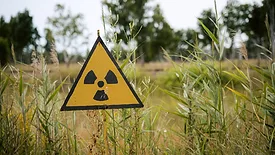
FDA found Indonesia’s Cs-137 import certification program for shrimp and spices, launched because cesium-contaminated shipments of shrimp and spices were detected in the U.S., “substantially meets requirements” after the certifying entities corrected deficiencies identified through an in-country assessment.
AB 1603 requires the California Department of Pesticide Regulation to indicate when pesticides contain PFAS ingredients in its online database and include use trends in annual reports.
FDA published its annual Pesticide Residue Monitoring Program Report for Fiscal Year 2024, finding that pesticide chemical residues measured in the U.S. food supply were generally in compliance with EPA tolerances.
In a survey of 48 packaged baby foods from 11 brands, 96 percent contained heavy metals below Consumer Reports’ level of concern. However, alates were detected in most products tested, and microplastics were found in all analyzed purees.
Researchers from the Helmholtz Center for Environmental Research and the Food Packaging Forum have proposed a panel of 15 high-throughput in vitro bioassays to screen chemicals for biological activity associated with cancer, brain-related harms, cardiovascular disease, and other disorders.
EPA is reassessing glyphosate’s human health risks and carcinogenic potential after a federal court vacated its previous determination. An expert source raised concerns stemming from the fact that EPA has already disqualified 78 percent of independent studies identified in its review.
A new FAO technical brief explains how plastic pollution moves through agrifood systems and creates interconnected risks to food safety and human, animal, plant, and environmental health.
A new study characterized mycotoxin-related RASFF food safety notifications by mycotoxin type, product category, country of origin, risk level, and notification type. The researchers also contextualized notification trends dating back to 2012.
A memo from EPA leadership to its Regional Water Division directors withdraws guidance that encouraged states and wastewater utilities to use existing Clean Water Act authorities to prevent “forever chemicals” from entering waterways and drinking water systems.
The resource outlines the German Federal Institute for Risk Assessment’s (BfR’s) approach to risk assessment of NIAS in FCMs. It is primarily intended to support dossiers for new substances in Germany.
 RSS
RSS