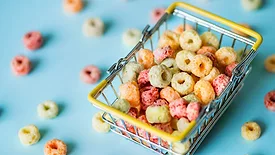
The action aligns with the wishes of FDA and U.S. Health Secretary RFK Jr. for industry to voluntarily phase out synthetic, petroleum-based dyes from the nation’s food supply.
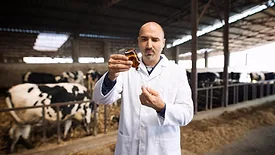
Citing concerns about antibiotic overuse in food-producing animals contributing to the spread of antimicrobial resistance (AMR), the petition calls for FDA to withdraw approvals for the routine use of medically important drugs for disease prevention.
Moringa oleifera seed extract could potentially serve as a sustainable alternative to conventional alum coagulants for microplastic removal in drinking water treatments, while also allowing for process simplification and cost savings.
Following a high-profile, global recall of infant formulas due to cereulide contamination in early 2026, the European Commission is drafting an act that would introduce additional checks for the toxin in formulas.
Dioxins and dioxin-like polychlorinated biphenyls (DL-PCBs) are environmental contaminants generated as byproducts of industrial processes and waste incineration. EFSA’s risk assessment resulted in a lower tolerable weekly intake, which Europeans generally exceed.
The Canadian Food Inspection Agency (CFIA) has published the most recent findings from its Children’s Food Project and National Chemical Residue Monitoring Program, which test foods for toxic heavy metals, veterinary drugs, pesticides, and other substances.
The review summarized current knowledge about the potential contribution of foodborne bacteria and antibiotic resistance genes to the human gut resistome, suggesting the integration of gut microbiome and AMR data into risk assessment frameworks.
Recognizing World Food Safety Day (WFSD) 2026 and the new estimates on the global burden of foodborne disease, WHO’s Elaine Borghi, Ph.D. discusses the development of the estimates and how they can be used to drive effective interventions that meaningfully improve food safety and public health.
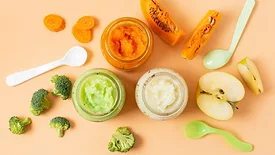
The New York bill is awaiting the Governor’s signature, while the California bill advances from the Assembly to the Senate. The bills would require baby food and infant formula manufacturers to regularly test their products for toxic heavy metals and disclose results.
The World Health Organization (WHO) has released its anticipated updated global burden of foodborne disease estimates, which suggest that 42 microbiological and chemical hazards caused approximately 866 million illnesses and 1.52 million deaths in 2021.
 RSS
RSS