This episode of Food Safety Five discusses a UK proposed ban on Bisphenol A (BPA) in food contact materials, as well as two studies with global relevance: a successful clinical trial for a novel Salmonella vaccine and research demonstrating how nanoplastics enter the edible parts of crops.
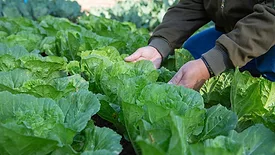
A 2024 European foodborne illness outbreak caused by a rare Salmonella serotype, linked to leafy greens grown near a buffalo farm, exposed gaps in biosecurity, surveillance, and data transparency across the agri-food system.
A new study assessed the efficacy of a commercial lytic bacteriophage cocktail as a preharvest agricultural water treatment against Salmonella Infantis, and found modest but consistent pathogen reductions across diverse water conditions.
New research has demonstrated a low overall prevalence of Campylobacter on retail chicken meat; however, recovered C. jejuni strains did not match known poultry-associated genotypes, suggesting the need for sensitive detection methods and expanded genomic surveillance.
A recent study investigating Listeria monocytogenes in South Korea’s beef supply chain revealed the presence of the pathogen exclusively in retail product samples, underscoring the importance of strict food safety controls post-harvest. The strains isolated were hypervirulent and stress-adapted.
A recent study investigating biofilms in water hoses used in a meat processing facility revealed widespread microbial colonization, reaffirming concerns about hoses as reservoirs for pathogens, and underscoring the need for routine monitoring and maintenance of water delivery systems.
In his veto letter, Gov. Gavin Newsom said he agreed with Senate Bill 682’s goal of phasing-out “forever chemicals” from consumer products, but said the bill would sacrifice Californians' ability to afford household products like cookware.
Senate Bill 68 (SB 68), titled, the Allergen Disclosure for Dining Experiences Act (ADDE), will apply to chain restaurants with 20 or more locations by January 1, 2026.
Food processors do not always consider the physical hazards that may be brought in with agricultural raw materials, or have systems in place to address them. Focus may also be diverted by looking at other sources of foreign material because adequate agricultural information is not available.