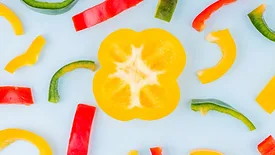
The resource provides recommendations and examples for implementing FSMA Preventive Controls for Human Foods Rule requirements to control known or reasonably foreseeable biological hazards in fresh-cut produce.
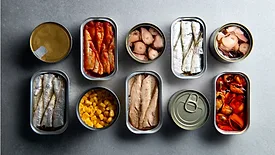
The report examines spore-forming, botulinum toxin-producing clostridia that pose persistent challenges for food production, including C. botulinum, C. perfringens, and C. difficile. It reviews disease burden, outbreak risks, prevention strategies, detection methods, and significant epidemiological data gaps.
Importantly, the proposal would not establish a premarket review and approval process for GRAS substances. Companies could still independently conclude that a substance is GRAS and market it while FDA evaluates the notice.
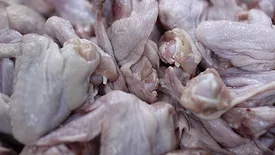
Hydrogen peroxide treatment, followed by catalase enzyme application to remove residual peroxide, significantly reduced Salmonella Typhimurium and Listeria monocytogenes on raw chicken wings while preserving the meat's overall color quality, although more research is needed on the effect on other organoleptic properties.
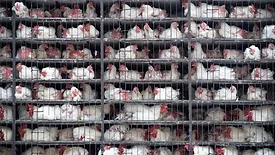
Transport cages are recognized as a potential source of cross-contamination in poultry slaughterhouses. The optimal washing water temperature and detergent concentration completely eliminated detectable Salmonella while greatly reducing indicator organisms. The identified parameters may improve food safety and operational efficiency.
Spoilage microorganisms present an important and complex challenge for food manufacturers, affecting production processes, product quality, retailer relationships, consumer satisfaction, food loss and waste, and ultimately, the bottom line.
UKHSA said the relatively stable number of STEC notifications in 2025 marked a departure from the steady annual increases observed since 2021, when larger outbreaks contributed substantially to case counts.
A new hypothesis suggests Listeria monocytogenes persists by colonizing nutrient-rich voids left behind when Gram-negative bacterial biofilms disperse. If the theory is validated, the authors suggest shifting food safety strategies toward managing biofilm ecology and ecological succession, rather than focusing solely on pathogen detection.
Following the global infant formula recall linked to cereulide contamination, Elena Medo discusses vulnerabilities in infant formula supply chains, infant-specific food safety risks, surveillance gaps, donor milk safety, and the lessons regulators and manufacturers can take away from this unprecedented event.
 RSS
RSS