FDA Petitioned to Ban PVC Gloves for Food Handling Due to Inadequate Food Safety
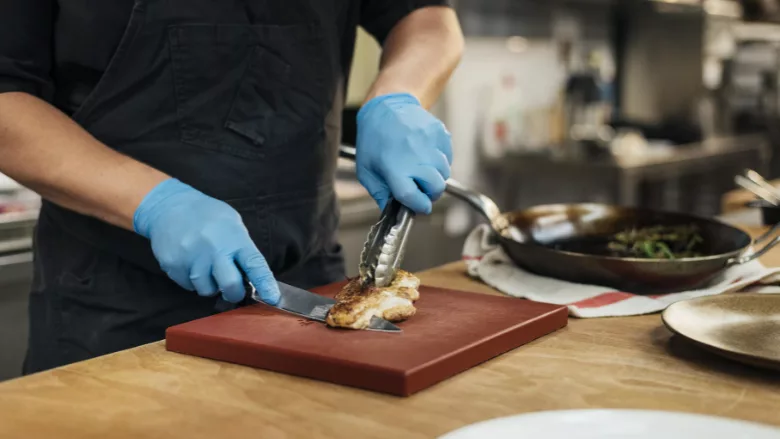
Glove manufacturer Eagle Protect PBC has submitted a citizen petition to the U.S. Food and Drug Administration (FDA) urging the agency to prohibit the importation, distribution, and use of polyvinyl chloride (PVC or vinyl) disposable gloves for food handling in the U.S.
Eagle Protect is known for raising awareness about the hidden food safety risks of disposable gloves used for food handling. For example, in 2024, a peer-reviewed study funded by the company underscored the lack of impermeability and tear resistance acceptable quality level (AQL) standards for food contact gloves in the U.S., and also demonstrated the presence of harmful chemicals present on food contact gloves, including phthalates, bisphenol A (BPA), per- and polyfluoroalkyl substances (PFAS), and other substances. In an earlier analysis of 26 different brands of gloves, the company found significant microbial contamination by important foodborne pathogens. Eagle Protect CEO Steve Ardagh also joined the Food Safety Matters podcast live from the 2023 Food Safety Summit to discuss glove contamination; the episode can be heard here.
In its November 2025 petition to FDA, Eagle Protect underlined the likelihood of PVC gloves to tear, the presence of endocrine-disrupting phthalates that can leach into food, and the material’s known drawback of creating chemical hazards across its lifecycle.
Regarding phthalates, the petition cites:
- Studies documenting gloves containing phthalates mislabeled as “phthalate-free”
- The lack of systematic verification of compliance with federal chemical migration regulations for imported gloves
- European Food Safety Authority (EFSA) research showing phthalates leach into fatty foods at concerning levels, with migration exceeding 1.5 milligrams per kilogram (mg/kg) in one study using cheese samples
- Japanese studies detecting di-2-ethylhexyl phthalate (DEHP) at 16.90 mg/kg in chicken handled with vinyl gloves
- The EU and Japan’s restrictions and bans against DEHP and other phthalates from vinyl gloves, with a 33 percent drop in endocrine-disrupting compound exposures after phthalates were banned in Japan.
The petition also highlights a study that shows PVC gloves demonstrate failure rates of 12–61 percent under simulated use, compared to 1–4 percent for nitrile and latex.
Based on the evidence presented, the petition argues that PVC gloves fail to meet:
- The Federal Food Drug and Cosmetic Act (FDCA) provision that food is “adulterated” if it contains harmful substances, given that no verification of “food-safe” glove standards is required
- FDA’s Current Good Manufacturing Practices (CGMPs) regulations that require impermeable gloves
- The FDCA misbranding provision, given that PVC gloves may be falsely labeled “phthalate-free” or “FDA-compliant,” and the Federal Trade Commission Act based on “deceptive food-safe marketing practices.”
Eagle Protect calls for a 24-month phase-out timeline for PVC “food-safe” gloves, with the adoption of nitrile gloves and higher-quality polyethylene as replacements. Short of prohibiting PVC gloves for food contact uses, the petition suggests that FDA require:
- Lot testing of vinyl gloves for phthalate and toxic chemical content with public reporting, to prohibit misleading 'phthalate-free' claims
- Enforcement of glove AQL defect standards under CGMP for all vinyl gloves.
Looking for quick answers on food safety topics?
Try Ask FSM, our new smart AI search tool.
Ask FSM →