Controlling foodborne antimicrobial resistance requires a One Health approach centered on food hygiene. Although antimicrobial stewardship can slow the emergence and enrichment of resistant bacteria, existing environmental reservoirs mean that resistant bacteria can contaminate food regardless of antimicrobial use.
After an online video surfaced showing the illegal use of formaldehyde to preserve cabbage by a wholesaler, Chinese authorities launched an investigation, confirmed the practice, and ordered nationwide inspections of fresh produce.
In an analysis of a Listeria monocytogenes outbreak in which one person died, UKHSA highlighted investigation details, risk assessment and control measures, and the potential risks associated with home-delivered cook-chill meals.
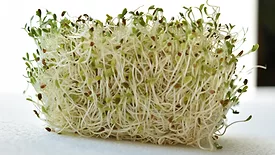
Outbreak strains include STEC serotypes O26:H11, O103:H25, and O168:H8 and one strain of Salmonella Agona. Some people were infected with more than one outbreak strain. The implicated products were distributed by Everything Sprouts LLC of Minneapolis, Minnesota.
Participants argued that reductions in listeriosis will require implementation of fundamental preventive controls, true “seek and destroy” efforts, and risk-based approaches. Dose-response models suggesting that low contamination may confer low risk were also discussed.
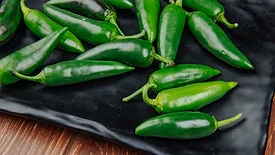
There have been 57 hospitalizations. The peppers were grown in Sinaloa, Mexico, and distributed by Coast Citrus Distributors to companies across the U.S., including Chipotle, which used its traceability system to help FDA identify the outbreak source.
A vehicle of illness has not yet been definitively confirmed, but according to UKHSA, epidemiological evidence points to egg consumption as the strongest food signal identified to date.
Longer application times, shorter nozzle distances, and spray patterns that deliver sufficient physical force to surfaces may contribute to improved microbial reduction. Sanitizer efficacy experiments could misrepresent real-world sanitation outcomes when shear stress and application time are not considered.
This episode of Food Safety Five discusses new research on avocado oil authenticity in processed foods, the effects of nanoplastics on bacterial biofilms in drinking water systems, factors influencing Listeria monocytogenes persistence on plastic food contact surfaces, and stress-adaptation traits that may help E. coli persist from farm to fork.
Cases decreased by 27.2 percent from the previous year. Although Cryptosporidium can be transmitted through routes other than food, the parasite can enter the food supply through contaminated irrigation water and contact with excrement during cultivation, harvesting, and handling.
 RSS
RSS