EU Reaffirms Stance That Glyphosate is Not Carcinogenic After Considering New Data
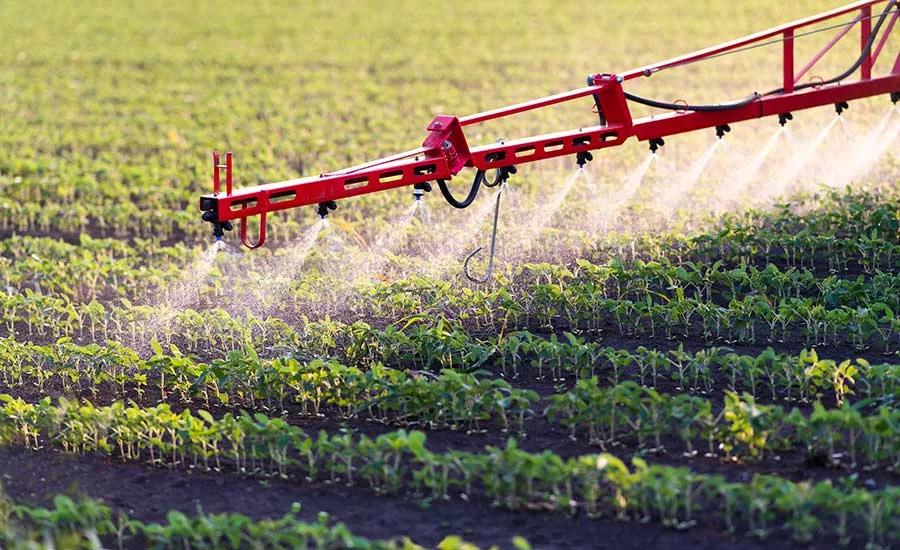
In a September 8, 2026 meeting, the European Chemicals Agency’s (ECHA’s) Risk Assessment Committee (RAC) concluded that glyphosate does not warrant a classification for carcinogenicity, even after reviewing new data, upholding the findings of RAC’s 2022 hazard assessment for the controversial herbicide.
In December 2023, the European Commission voted to renew approval of the use of glyphosate in the EU for ten years (until December 2033), following RAC’s 2022 hazard assessment, as well as a July 2023 risk assessment by the European Food Safety Authority (EFSA) which found “no critical health concerns” for humans, animals, or the environment associated with the chemical.
ECHA RAC’s latest determination was made after considering research by the Ramazzini Institute that was published in 2025 as part of the Global Glyphosate Study. This study suggested that glyphosate causes multiple types of cancer, such as leukemia, even at or below doses considered “safe” by EU regulatory agencies (specifically, the EU’s Acceptable Daily Intake level and No Observed Adverse Effect Level). Over two years, thousands of rats were exposed to glyphosate in utero via drinking water ingested by their mothers, and then through drinking water throughout 104 weeks of life. Statistically significant dose-related increases of various types of malignant tumors were observed.
At the September 8 meeting, RAC concluded that, following independent and scientific assessment, the Ramazzini study “does not change the conclusions of glyphosate’s hazard assessment, in particular its former 2022 decision that the substance does not warrant a classification for carcinogenicity.” This determination also takes into account comments received during a March 2026 public consultation on the study. An official explanation of RAC’s opinion will be published on ECHA’s website “within a few months.”
Contrasting EU agencies’ stance that glyphosate is not carcinogenic or critically harmful to health, the World Health Organization (WHO) declared the herbicide a “probable carcinogen” in 2015. Institutions like Wageningen University and Research have previously called into question EFSA’s risk assessment of the controversial chemical for not including the precautionary principle or considering key exposure routes and risks.
Looking for quick answers on food safety topics?
Try Ask FSM, our new smart AI search tool.
Ask FSM →