A new study characterized mycotoxin-related RASFF food safety notifications by mycotoxin type, product category, country of origin, risk level, and notification type. The researchers also contextualized notification trends dating back to 2012.
The program, which was explored after the Boar’s Head outbreak of 2024 spurred the agency to reevaluate its inspection and Listeria monitoring protocols, was piloted in FY 2026 and will be expanded to FSIS districts nationwide.
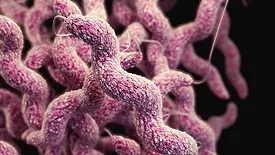
Michigan State University researchers found that a gut microbiota-derived metabolite inhibited Campylobacter jejuni growth and colonization, which could guide possible non-antibiotic interventions for campylobacteriosis.
Researchers examined four different antimicrobial surface technologies and evaluated their potential suitability for reusable food packaging, addressing the challenges of microbial adhesion, biofilm formation, and cross-contamination between reuse cycles.
A memo from EPA leadership to its Regional Water Division directors withdraws guidance that encouraged states and wastewater utilities to use existing Clean Water Act authorities to prevent “forever chemicals” from entering waterways and drinking water systems.
The third annual Foreign Material Contamination in Food Benchmark Report revealed how often food manufacturers are dealing with contamination, how confident facilities are in their detection equipment, how they are investing, and how they respond when an event happens.
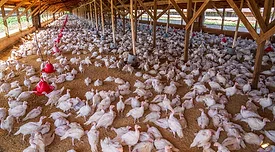
The researchers concluded that integrating multiple sampling matrices and detection methods could improve understanding of Campylobacter occurrence in commercial broiler production and support preharvest surveillance.
The M50 R-Series AdvancedLine metal detectors are designed for food manufacturers requiring metal detection capabilities alongside traceability, data connectivity, and production line monitoring.
The amendments to European food hygiene regulations would provide food business operators with greater flexibility in the storage of fresh meat from domestic ungulates (i.e., cattle, sheep, pigs) before freezing, based on a recent EFSA scientific opinion.
The company will pay the U.S. and states for “knowingly manufacturing infant formula purchased with taxpayer dollars [under state Medicaid and WIC programs] in an environment that put the products at unacceptable risk of microbial contamination.”
 RSS
RSS