Researchers from the Helmholtz Center for Environmental Research and the Food Packaging Forum have proposed a panel of 15 high-throughput in vitro bioassays to screen chemicals for biological activity associated with cancer, brain-related harms, cardiovascular disease, and other disorders.
Food Standards Scotland (FSS) has outlined its plans to reduce foodborne illness over the next three years, prioritizing Campylobacter, Listeria monocytogenes, and Shiga toxin-producing Escherichia coli, as well as its related research objectives.
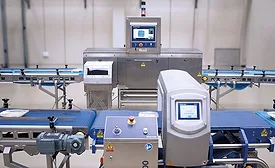
Physical contamination prevention goes beyond end-of-line detection. Learn how strategic inspection points, metal detection, and x-ray technology can strengthen food safety, quality, and operational efficiency.
EPA is reassessing glyphosate’s human health risks and carcinogenic potential after a federal court vacated its previous determination. An expert source raised concerns stemming from the fact that EPA has already disqualified 78 percent of independent studies identified in its review.
A new FAO technical brief explains how plastic pollution moves through agrifood systems and creates interconnected risks to food safety and human, animal, plant, and environmental health.
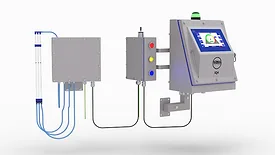
The system was developed to reduce the manual intervention and time required for routine performance testing while improving operator safety, consistency, and repeatability on food processing lines.
Based on a review of foodborne illness outbreaks linked to sauces and other literature, University of Georgia’s Center for Food Safety researchers underscored pathogenic bacteria as the primary public health concern, while also highlighting spoilage microorganisms and the comparatively understudied risk posed by foodborne parasites.
In this episode of Food Safety Matters, we speak about gluten-free food safety from the perspectives of a person with celiac disease, a consumer advocate, and a food manufacturer, including gluten-free labeling requirements, food safety controls, gaps in U.S. labeling regulations, and policy discussions around cross-contact, precautionary labeling, thresholds, and "free-from" claims.
A new study characterized mycotoxin-related RASFF food safety notifications by mycotoxin type, product category, country of origin, risk level, and notification type. The researchers also contextualized notification trends dating back to 2012.
 RSS
RSS