Food Safety
search
Ask Food Safety AI
cart
facebook twitter linkedin instagram youtube
  • Sign In
  • Create Account
  • Sign Out
  • My Account
Food Safety
  • NEWS
    • Latest News
    • Sponsored Insights
    • Sponsored White Papers
  • PRODUCTS
  • TOPICS
    • Contamination Control
    • Food Types
    • Management
    • Process Control
    • Regulatory
    • Sanitation
    • Supply Chain
    • Testing and Analysis
  • PODCAST
  • EXCLUSIVES
    • Food Safety Five Newsreel
    • eBooks
    • FSM Distinguished Service Award
    • Interactive Product Spotlights
    • Videos
  • BUYER'S GUIDE
  • MORE
    • NEWSLETTERS >
      • Archive Issues
      • Subscribe to eNews
    • Store
    • ASK FSM AI
  • WEBINARS
  • FOOD SAFETY SUMMIT
  • EMAG
    • eMagazine
    • Archive Issues
    • Editorial Advisory Board
    • Contact
    • Advertise
  • SIGN UP!
NewsContamination ControlChemical ControlMicrobiological Control

Analysis of EU RASFF Data Finds Aflatoxins, Imported Foods Lead Mycotoxin-Related Notifications
By Food Safety Magazine Editorial Team
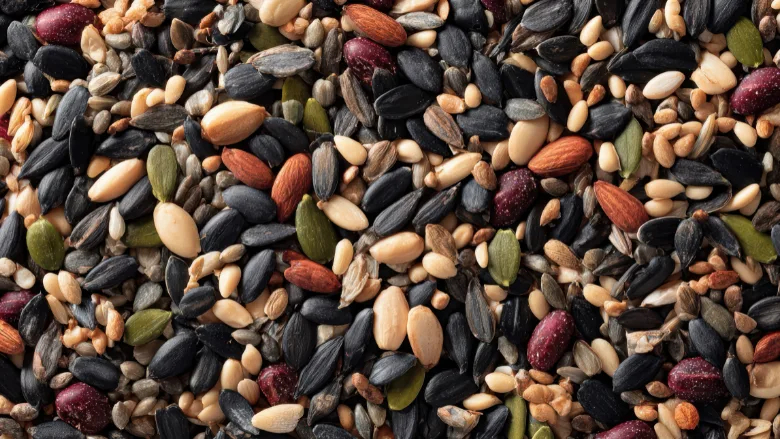
nuts and seeds
Image credit: muhammad.abdullah via Magnific
September 21, 2026

Need to Know

  • Researchers analyzed 2,479 mycotoxin-related food and feed notifications reported through the iRASFF platform from 2020–2024 and used annual RASFF reports to contextualize notification trends dating back to 2012
  • Aflatoxins and ochratoxins accounted for 84 percent and 15 percent of notifications, respectively
  • Nuts, nut products, and seeds represented 54 percent of all mycotoxin notifications, followed by fruits and vegetables (23 percent) and cereals and bakery products (10 percent)
  • Products originating outside the EU accounted for 90 percent of mycotoxin-related notifications, led by Türkiye (24 percent) and the U.S. (14 percent)
  • Although annual RASFF mycotoxin notifications reached a high of 663 in 2024, statistical analysis of data from 2012–2024 did not identify a significant long-term increasing trend.

An analysis of EU Rapid Alert System for Food and Feed (RASFF) data has shown that mycotoxins remain a persistent food safety concern. Aflatoxins accounted for the vast majority of notifications, and products originating outside the EU were implicated in more than 90 percent of mycotoxin-related notifications.

Published in Toxins, researchers from the University of Córdoba and the Spanish National Research Council (CSIC) analyzed 2,479 mycotoxin-related food and feed notifications reported through the iRASFF platform between January 2020 and December 2024. The researchers examined trends by mycotoxin, product category, country of origin, notifying country, risk decision, and notification type. The researchers also used annual RASFF reports to contextualize notification trends dating back to 2012.

Aflatoxins, Ochratoxins Led Mycotoxin Notifications

Of the 2,479 notifications recorded from 2020–2024, aflatoxins accounted for 2,076 (84 percent). Ochratoxins were the second-most frequently reported mycotoxins, accounting for 361 notifications (15 percent).

Aflatoxin B1 (AFB1) alone was involved in 1,848 notifications. Nuts, nut products, and seeds accounted for 64 percent of aflatoxin notifications.

Overall, nuts, nut products, and seeds represented 54 percent of all mycotoxin notifications, followed by fruits and vegetables at 23 percent and cereals and bakery products at 10 percent.

For ochratoxin A (OTA), fruits and vegetables accounted for 52 percent of notifications.

OTA notifications increased from 44 cases in 2020 to 117 in 2024. However, the researchers cautioned that this increase could reflect changes in notification frequency and/or improvements in detection capacity, potentially alongside the influence of climate change on fungi proliferation.

Looking for quick answers on food safety topics?
Try Ask FSM, our new smart AI search tool.
Ask FSM →

Other mycotoxins were reported infrequently, including fumonisins (26 notifications), patulin (16), deoxynivalenol (13), T-2 toxin (seven), and zearalenone (three). There were also 27 notifications involving Claviceps purpurea, which is associated with ergot alkaloids.

Many Notifications Involved Products from Türkiye, U.S.

Products originating outside the EU accounted for 90 percent of mycotoxin-related notifications. Globally, Türkiye and the U.S. were the most frequently reported countries of origin, representing 24 percent and 14 percent of notifications, respectively.

Among the 2,242 notifications involving non-EU products, Türkiye accounted for 585 notifications, followed by the U.S. with 353, India with 180, Egypt with 171, Iran with 155, Argentina with 146, and Pakistan with 127.

The mycotoxin profiles of EU and non-EU products also differed. Aflatoxins accounted for nearly 88 percent of notifications involving products originating outside the EU, while EU-origin products had a more varied profile. Among EU products, aflatoxins represented approximately 43 percent of notifications, followed by OTA at 31 percent and ergot alkaloids at 11 percent.

The researchers cautioned against interpreting notification counts as direct measures of contamination prevalence or population exposure. RASFF data represent detected and reported regulatory non-compliances and can be affected by trade volumes, sampling intensity, border-control activity, and national surveillance strategies.

Majority of Notifications Classified as ‘Serious’ Risk

Border rejections accounted for 68 percent of mycotoxin-related notifications, followed by alerts at 16 percent, information notifications for attention at 13 percent, and information notifications for follow-up at 2 percent.

Additionally, 92 percent of 2020–2024 notifications were classified as posing a “serious” risk, and every year analyzed, more than 85 percent of notifications were classified as such.

Food intended for human consumption comprised 2,385 of the 2,479 notifications, compared with 94 notifications for animal feed. The researchers emphasized that the comparatively small number of feed notifications should not be interpreted as evidence of negligible risk, noting the potential for certain mycotoxins or their metabolites to enter the human food chain through carry-over processes.

No Significant Long-Term Increase in Mycotoxin Notifications

Although annual RASFF mycotoxin notifications reached a high of 663 in 2024, statistical analysis of data from 2012–2024 did not identify a significant long-term increasing trend.

Meanwhile, total RASFF notifications increased from 3,516 in 2012 to 5,364 in 2024. As a result, mycotoxins declined as a proportion of all RASFF notifications, from approximately 15–16 percent during 2015–2018 to 9–12 percent in 2023–2024.

The researchers concluded that continued border surveillance, international cooperation, and risk-based monitoring are important for limiting dietary exposure to mycotoxins, especially in globally traded commodities. They also called for surveillance and control strategies to adapt to evolving scientific evidence, climate change, and international trade patterns.


KEYWORDS: aflatoxins EU Eurofins mycotoxins ochratoxin A Rapid Alert System for Food and Food Network study University of Cordoba

Share This Story

Fsm purple logo 200x200

The Food Safety Magazine editorial team comprises Bailee Henderson, Director of Content Strategy and news editor ✉, and Adrienne Blume, M.A., Director of Editorial and Industry Engagement.

Recommended Content

JOIN TODAY
to unlock your recommendations.

Already have an account? Sign In

  • people holding baby chicks

    Serovar Differences Matter: Utility of Deep Serotyping in Broiler Production and Processing

    This article discusses the significance of Salmonella in...
    Testing & Analysis
    By: Nikki Shariat Ph.D.
  • woman washing hands

    Building a Culture of Hygiene in the Food Processing Plant

    Everyone entering a food processing facility needs to...
    Sanitation
    By: Richard F. Stier, M.S.
  • graphical representation of earth over dirt

    Climate Change and Emerging Risks to Food Safety: Building Climate Resilience

    This article examines the multifaceted threats to food...
    Risk Assessment
    By: Maria Cristina Tirado Ph.D., D.V.M. and Shamini Albert Raj M.A.
Manage My Account
  • eMagazine Subscription
  • Subscribe to Newsletters
  • Manage My Preferences
  • Website Registration
  • Subscription Customer Service

More Videos

Sponsored Content

Sponsored Content is a special paid section where industry companies provide high quality, objective, non-commercial content around topics of interest to the Food Safety Magazine audience. All Sponsored Content is supplied by the advertising company and any opinions expressed in this article are those of the author and not necessarily reflect the views of Food Safety Magazine or its parent company, BNP Media. Interested in participating in our Sponsored Content section? Contact your local rep!

close
  • Man In Warehouse
    Sponsored byRentokil

    Mitigating Hidden Rodent Risks in Food Facilities

  • an industrial manufacturing or processing facility
    Sponsored bybioMérieux

    Get Ahead of Spoilage in Food Manufacturing with Metagenomics for Preventive Monitoring

  • an automated industrial production line used in a modern food factory
    Sponsored byIFC

    A Formula for Food Processing Pest Management

Popular Stories

magnifying glass and books with fda logo overlay

FDA Releases 2026 Food Code With Updates on Food Defense, Employee Illness, Food Safety Management

abbott nutrition logo wall plaque

Abbott Nutrition to Pay $385M Settlement for 2022 Infant Formula Shortage, Contamination Incident

employees checking clipboard in food manufacturing facility

Building a HACCP Program: More Than the Seven Principles

allergens ebook

Events

September 22, 2026

From EFSA to Enforcement: Managing the Growing Complexity of EU MRLs

Live: September 22, 2026 at 11:00 am EDT: Attend this webinar to evaluate best practices for monitoring regulatory changes and protecting market access.

September 24, 2026

Benchmarking Foreign Material Contamination in 2026: What the Data Shows

Live: September 24, 2026 at 2:00 pm EDT:  From this webinar, attendees will learn what is driving investment decisions, and the factors FSQA and ops leaders weigh when making the case for new prevention technology.

September 29, 2026

How to Talk to Your Board of Directors About Food Safety

Live: September 29, 2026 at 11:00 am EDT: Attend this webinar to learn how to position food safety as a material enterprise risk with measurable financial, operational, and reputational impacts relevant to Board-level decision-making.

View All

Products

Global Food Safety Microbial Interventions and Molecular Advancements

Global Food Safety Microbial Interventions and Molecular Advancements

See More Products

Related Articles

  • unroasted green coffee beans

    FDA Analyzes 15 Years of Mycotoxin Monitoring Data, Finds Low OTA Prevalence

    See More
  • two researchers standing in front of large screen that says AI

    Using RASFF Data, Researchers Develop Integrated AI Framework for Improved Food Safety Risk Assessment

    See More
  • EU flag close up

    EU Parliament Blocks Commission Proposals to Allow Banned Pesticides in Imported Foods

    See More

Related Products

See More Products
  • 1118396308.jpg

    High Throughput Analysis for Food Safety

  • food-safety-making.jpg

    Food Safety: Making Foods Safe and Free From Pathogens

  • 9781498721776.jpg

    Handbook of Food Processing: Food Safety, Quality, and Manufacturing Processes

See More Products

Events

View AllSubmit An Event
  • September 22, 2026

    From EFSA to Enforcement: Managing the Growing Complexity of EU MRLs

    Live: September 22, 2026 at 11:00 am EDT: Attend this webinar to evaluate best practices for monitoring regulatory changes and protecting market access.
View AllSubmit An Event

Related Directories

  • Creative Diagnostics

    Creative Diagnostics is a leading manufacturer and supplier of antibodies, small molecule conjugates and critical assay reagents for the analysis of food, feed, environmental and toxicological samples. Its product portfolio covers a wide range of analytes including mycotoxins, drug residues, pesticides, contaminants, food allergens, food pathogens and vitamins.
×

Never miss the latest news and trends driving the food safety industry

Newsletters | Website | eMagazine

JOIN TODAY!
  • RESOURCES
    • Advertise
    • Contact Us
    • Directories
    • Store
    • Want More
  • SIGN UP TODAY
    • Create Account
    • eMagazine
    • Newsletters
    • Customer Service
    • Manage Preferences
  • SERVICES
    • Marketing Services
    • Reprints
    • Market Research
    • List Rental
    • Survey/Respondent Access
  • STAY CONNECTED
    • LinkedIn
    • Facebook
    • Instagram
    • X (Twitter)
  • PRIVACY
    • PRIVACY POLICY
    • TERMS & CONDITIONS
    • DO NOT SELL MY PERSONAL INFORMATION
    • PRIVACY REQUEST
    • ACCESSIBILITY

Copyright ©2026. All Rights Reserved BNP Media, Inc. and BNP Media II, LLC.

Design, CMS, Hosting & Web Development :: ePublishing