FDA Analyzes 15 Years of Mycotoxin Monitoring Data, Finds Low OTA Prevalence
A newly published analysis of 15 years of U.S. Food and Drug Administration (FDA) monitoring data found that the vast majority of foods sampled for ochratoxin A (OTA) did not contain quantifiable levels of the mycotoxin. The findings support continued surveillance of OTA in higher-risk food commodities and may help inform future regulatory decision-making about the contaminant.
FDA Analyzed More Than 3,700 Targeted Food Samples Over 15 Years
The study analyzed 3,708 food samples collected through FDA's Mycotoxins in Human Foods Compliance Program between fiscal years 2008 and 2022. OTA was detected above the laboratory's level of quantification (LOQ) in 131 samples, representing 3.5 percent of all samples analyzed. Overall, 96.5 percent of samples contained either no detectable OTA or levels below the applicable LOQ.
FDA emphasized that its compliance sampling program targets commodities known to be susceptible to mycotoxin contamination rather than providing a statistically representative assessment of the U.S. food supply.
Green Coffee Beans, Spices Had Greatest OTA Concentrations, Prevalence
OTA concentrations ranged from 1.03 micrograms per kilogram (µg/kg) to 116 µg/kg. The highest concentrations were found in green coffee beans, dried fruits, grain products, and spices, consistent with trends observed in previous national and global surveys.
Key findings by food category included:
- Baby foods: Only one of 168 samples (0.6 percent), a multigrain infant cereal, contained a quantifiable level of OTA at 1.20 µg/kg.
- Dried beans and pulses: OTA was detected in ten of 685 samples (1.5 percent), with concentrations ranging from 3.20 to 25.2 µg/kg
- Candy: None of the 13 samples analyzed contained quantifiable OTA
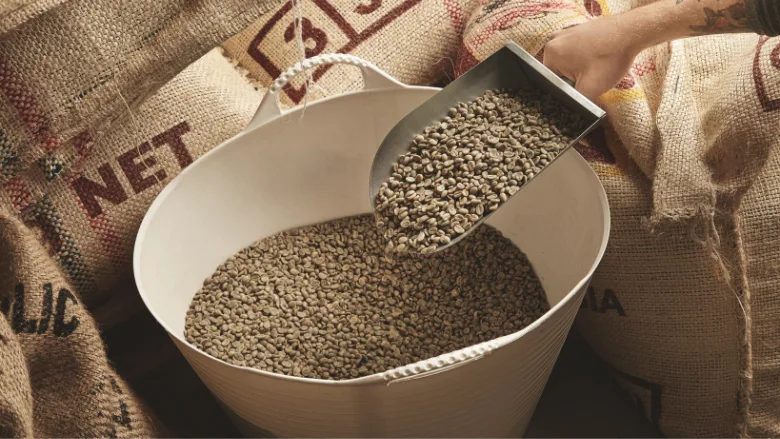
- Coffee beans: 14 of 514 samples (2.7 percent) contained quantifiable OTA, ranging from 1.20 to 116 µg/kg, the highest concentration reported in the study; FDA noted that sampling primarily focused on green coffee beans and that roasting can substantially reduce OTA levels
- Fruit products: 26 of 210 samples (12.4 percent), nearly all of which were raisins, contained quantifiable OTA, with concentrations ranging from 1.10 to 49.2 µg/kg
- Grains and grain products: 51 of 1,516 samples (3.4 percent) contained quantifiable OTA; whole grains ranged from 1.10 to 44.0 µg/kg, while processed and milled grain products ranged from 1.60 to 50.1 µg/kg
- Nuts and edible seeds: One pistachio sample among 56 total samples (1.8 percent) contained 9.50 µg/kg OTA
- Processed food products: Four of 474 samples (0.8 percent), including breakfast foods and bakery products, contained OTA ranging from 1.03 to 3.54 µg/kg
- Spices: 23 of 58 samples (39.7 percent) contained quantifiable OTA, the highest detection rate among all commodity groups; concentrations ranged from 1.30 to 52.9 µg/kg, with the highest levels observed in capsicums and nutmeg
- Other products: One soy-based alternative protein product among 14 miscellaneous samples contained 1.43 µg/kg OTA.
Half of Positive Samples Exceeded Applicable EU Maximum Limits
FDA does not currently establish a regulatory maximum level for OTA in foods but uses a referral level of 20 µg/kg to identify findings requiring case-by-case safety assessment. During the study period, only 17 samples (0.4 percent of all foods analyzed) exceeded the referral level. Imported products represented 15 of these samples, six of which were determined to be violative by FDA following safety assessments and were refused entry into the U.S.
The agency also compared its findings with international regulatory limits. Of the samples with quantifiable OTA levels, 47.3 percent exceeded applicable EU maximum limits, while 9.2 percent exceeded relevant Codex Alimentarius maximum levels. However, many food categories analyzed do not have corresponding Codex or EU limits for comparison.
Findings Support Continued OTA Monitoring
OTA has been classified by the World Health Organization’s International Agency for Research on Cancer (WHO’s IARC) as "possibly carcinogenic to humans" (Group 2B) and by the U.S. National Toxicology Program as “reasonably anticipated to be a human carcinogen.” FDA noted that good agricultural, manufacturing, and storage practices can reduce fungal growth and OTA contamination, although some contamination is unavoidable.
Looking for quick answers on food safety topics?
Try Ask FSM, our new smart AI search tool.
Ask FSM →
According to the authors, the study represents the first publication of a large FDA dataset on OTA occurrence in U.S. foods. The researchers said the findings support continued monitoring of OTA-susceptible commodities and could help inform future consideration of regulatory limits for OTA in the U.S.
FDA Adopts a Multi-Mycotoxin Analytical Method
Beginning in fiscal year 2025, FDA laboratories adopted a new multi-mycotoxin analytical method that simultaneously detects OTA alongside aflatoxins, deoxynivalenol, T-2 and HT-2 toxins, and zearalenone. FDA said the method will improve monitoring of co-occurring mycotoxins in foods and provide a better understanding of dietary exposure across the U.S. food supply.