OP-ED
Is Whole Head Lettuce Safer Than Bagged Salad?
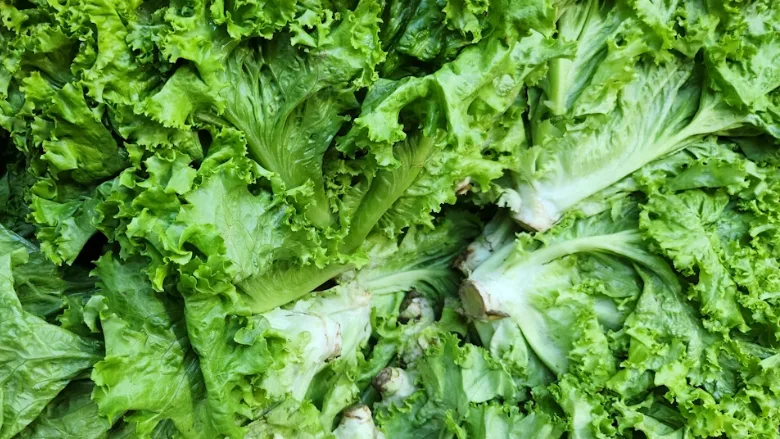
Advice following lettuce-related food safety incidents sometimes includes recommendations to choose whole head lettuce or avoid bagged salads. However, such guidance can oversimplify the factors that actually determine food safety risk. Consumers need more information to avoid being swayed by the winds of public opinion and the tides of the internet, where misinformation flourishes. If the "experts" provide bad advice, then credibility is lost. Without credibility, even good advice will be ignored.
The title question is influenced by emotion and personal values as well as perceptions of food safety risk. Advice to avoid bagged salads may be appealing because preparing whole head lettuce gives consumers a greater sense of control. Washing and preparing a salad can be compared to driving a car in terms of perceived control: in both cases, having control may make a person feel safer, even though it does not eliminate risk.
Perceptions of how the products are produced may also influence the comparison. There is a "David and Goliath" aspect to the image of "big agriculture" versus the family farm. Bagged salads may be associated with large processors and commercial-scale production, while whole head or locally grown lettuce may be associated with smaller farms perceived as more wholesome or trustworthy. Those associations do not, by themselves, provide information about the food safety controls applied to either product.
The question can also reflect a desire to identify a clear cause when foodborne illness occurs. A simple distinction between bagged and whole head lettuce provides an appealing explanation for a risk that is actually influenced by numerous factors. These perceptions should therefore be separated from the food safety comparison itself. The relevant question is whether differences between whole head and bagged lettuce provide sufficient evidence to conclude that avoiding bagged salad reduces the risk of foodborne illness.
I am compelled to admit that I carry a certain amount of baggage when considering this question. I have spent many years working to make fresh-cut produce safer. These efforts include bagged salad. For some, this will taint my credibility. Others will examine the merits of the argument presented below.
What Determines the Food Safety Risk of Lettuce?
Before delving into the differences, it should be noted that both options are widely consumed, and neither is inherently free of food safety risk. Consumers eat a lot of lettuce, so even infrequent contamination can result in illnesses. The comparative incidence of illness associated with whole head versus bagged lettuce is difficult to establish, which is itself important to the question at hand. Without reliable comparative data, broad claims that one form is safer than the other warrant scrutiny. For most people, the nutritional benefits of eating lettuce remain substantial.
A meaningful comparison requires examining where risk can enter or change along the supply chain: the lettuce and its growing environment, cultivation practices, processing or preparation, and handling by the consumer. At each stage, the relevant risk factors cut across the distinction between whole head and bagged lettuce.
Looking for quick answers on food safety topics?
Try Ask FSM, our new smart AI search tool.
Ask FSM →
Whole Head and Bagged Lettuce Share Growing Risks
The lettuce used for the two forms of delivery may be the same in terms of cultivar and general attributes that affect appearance and use. In many cases, a grower does not know during cultivation whether a field is destined for bagged salad or for marketing as whole head lettuce. If one compares specific cases—a particular bag of salad versus a particular head of lettuce—differences can certainly be found. However, the consumer does not generally have access to this information, and differences between individual products do not establish that one category is inherently safer than the other.
Cultivation and growing practices can be the same or different between bagged and whole head lettuce, depending on whether the comparison is specific or general. This aspect can materially affect food safety, but it does not divide neatly between the two lettuce forms. If contaminated water is used, then either product can be contaminated. If conditions in the growing environment introduce contamination, then either product can present a food safety risk. Painting one product as better than the other does consumers a disservice regarding these potential problems. More information is needed. The concern should be tied to a specific instance or lot of product.
The recommendation to buy whole head lettuce is also sometimes coupled with advice to buy locally, but "local" is another category that does not, by itself, describe the microbiological safety of a product. Geographic proximity does not eliminate potential hazards associated with agricultural water, the growing environment, or cultivation practices. For example, 96 million gallons of untreated wastewater were discharged into Michigan waterways and Lake Michigan in early August.1 The release does not demonstrate that local produce was contaminated, but it illustrates the larger point: proximity alone provides little information about the conditions that determine a product's microbiological safety. As with the distinction between whole head and bagged lettuce, more specific information is needed.
Processing and Preparation Shift, Rather Than Eliminate, Risk
Fresh-cut processing introduces additional handling and food-contact surfaces, and failures at scale can affect large quantities of product. Whole head lettuce avoids some of those processing steps but transfers more preparation and handling to the consumer. These differences matter, but they do not establish that either category is inherently safer without information about the controls applied in a particular situation.
Neither the consumer nor the processor can completely eliminate contamination by washing. Short of cooking the lettuce, there is no consumer-acceptable treatment strategy for fresh lettuce that removes all potential for illness. Additional contamination opportunities may be introduced through home kitchen elements—sinks, cutting boards, utensils, serving dishes, etc. Conversely, a commercial plant has the problem of scale; keeping everything clean takes continuous effort.
The relevant question is not simply where the lettuce was prepared, but what controls were applied and how effectively they were implemented. A failure in a commercial fresh-cut operation and a failure during consumer preparation present different circumstances and potentially different consequences, but neither establishes that one product category is inherently safer.
Traceability Can Influence Perceptions of Risk
Branding and packaging can also affect how food safety events are perceived. A labeled bag provides identifying information that may facilitate traceback to a specific product, lot, processor, or brand. When equivalent identifying information is unavailable for whole head lettuce, attribution may be more difficult. Consequently, the visibility of outbreaks associated with the two categories should not automatically be interpreted as evidence of their relative risk.
Taken together, these differences do not demonstrate that whole head and bagged lettuce carry identical risks. Rather, they show that product format alone provides too little information to determine which is safer. Growing conditions, agricultural water, processing controls, sanitation, traceback information, and consumer handling can all affect risk, and those factors do not divide consistently between the two lettuce categories.
The pressure to provide guidance is intense. Everyone wants a simple answer. Unfortunately, not every question has a simple answer. Sometimes the correct answer is "it depends," and more information is required. As consumers, we need to trust people to do the job right. When there is a mistake, the specific mistake needs to be called out. Providing a simple answer might relieve the pressure for an answer, but it can cost dearly in terms of credibility when the facts come out.
Lettuce and salads are nutritionally advantageous for most people. They are consumed many times per week by many consumers. Although food safety controls can reduce risk, contamination cannot always be prevented or completely eliminated, and illnesses will still occur. As a food safety professional, I continue to push for fewer illnesses. Food safety professionals must avoid losing credibility by promoting simple answers that are not supported by the available information. Advice should instead be focused, specific, and based on data about the circumstances that actually affect risk. Without such information, product format alone is not sufficient grounds for claiming that whole head lettuce is inherently safer than bagged salad.
Reference
- Looby, Caitlin. "96 million gallons of untreated wastewater released into Lake Michigan." Milwaukee Journal Sentinel. August 6, 2026. https://www.jsonline.com/story/news/environment/2026/08/06/96-million-gallons-of-untreated-wastewater-dumped-into-lake-michigan/91152361007/.