Food Safety
search
Ask Food Safety AI
cart
facebook twitter linkedin instagram youtube
  • Sign In
  • Create Account
  • Sign Out
  • My Account
Food Safety
  • NEWS
    • Latest News
    • White Papers
  • PRODUCTS
  • TOPICS
    • Contamination Control
    • Food Types
    • Management
    • Process Control
    • Regulatory
    • Sanitation
    • Supply Chain
    • Testing and Analysis
  • PODCAST
  • EXCLUSIVES
    • Food Safety Five Newsreel
    • eBooks
    • FSM Distinguished Service Award
    • Interactive Product Spotlights
    • Videos
  • BUYER'S GUIDE
  • MORE
    • NEWSLETTERS >
      • Archive Issues
      • Subscribe to eNews
    • Store
    • Sponsor Insights
    • ASK FSM AI
  • WEBINARS
  • FOOD SAFETY SUMMIT
  • EMAG
    • eMagazine
    • Archive Issues
    • Editorial Advisory Board
    • Contact
    • Advertise
  • SIGN UP!
ProductsContamination ControlFood TypeProcess ControlMicrobiological ControlProcessing TechnologiesProcess ValidationIngredients

BIZTRACKS

Macrowave RF Pasteurization Validated for Microbial Reduction in Infant Formula Ingredient
By Food Safety Magazine Editorial Team
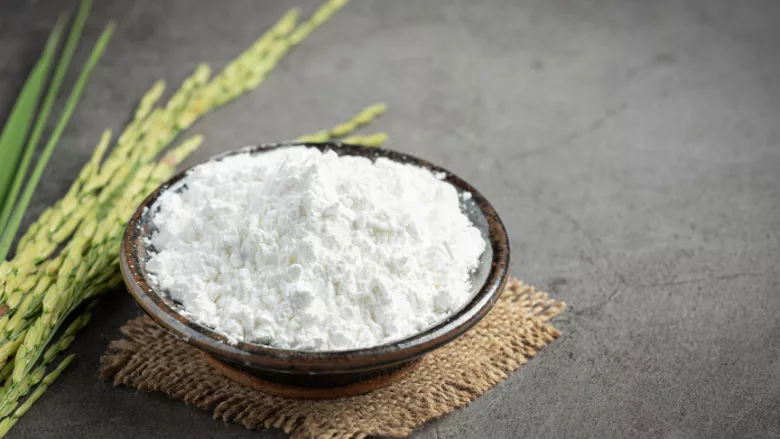
rice flour
Image credit: jcomp via Freepik
Macrowave RF machine
Image courtesy of Radio Frequency Company
rice flour
Macrowave RF machine
March 24, 2026

Radio Frequency Company’s Macrowave Radio Frequency (RF) pasteurization systems have been fully validated for the treatment of rice flour utilized in infant formula, achieving a greater than 5-log reduction of microorganisms including Salmonella, Escherichia coli, and Listeria monocytogenes.

RF pasteurization is a fully commercialized treatment for food ingredients. Macrowave systems pasteurize more than 1.5 billion pounds per annum globally.

The Science Behind Radio Frequency Heating

The unique structure of the “polar” water molecule is the basis for the thermal response of water when subjected to an alternating RF energy field. In a Radio Frequency Pasteurization System, the RF generator creates an alternating electric field between two electrodes, above and below the conveyor. This alternating electric field causes the product to heat rapidly and uniformly throughout the entire thickness of the product, whether it is bagged or loose on a troughed conveyor.

Radio Frequency Heating Safety and Regulatory Status

RF heating is a thermal process caused by a non-ionizing electromagnetic form of energy, similar to an FM radio transmitter.

The U.S. Department of Agriculture (USDA) does not view the RF thermal process as an added ingredient. Therefore, an organic product treated with RF can carry the “certified organic” label.

Additionally, the U.S. Food and Drug Administration (FDA) does not view the RF thermal process as invalidating the application of “natural” on the label. In contrast, irradiation is considered an additive and therefore requires approval and special labeling.  

Benefits of RF Pasteurization for Dry Ingredients

RF volumetric heating means there is no temperature differential from the surface to the center of a product, and no prolonged soak time that could be damaging to protein functionality. A short heating cycle allows the product to maintain protein functionality and other organoleptic and nutritional qualities. Additionally, the rapid temperature rise reduces the ability of microbes to adjust to and resist high temperatures.

Looking for quick answers on food safety topics?
Try Ask FSM, our new smart AI search tool.
Ask FSM →


KEYWORDS: radio frequency pasteurization

Share This Story

Fsm purple logo 200x200

The Food Safety Magazine editorial team comprises Bailee Henderson, Digital Editor ✉ and Adrienne Blume, M.A., Editorial Director.

Recommended Content

JOIN TODAY
to unlock your recommendations.

Already have an account? Sign In

  • people holding baby chicks

    Serovar Differences Matter: Utility of Deep Serotyping in Broiler Production and Processing

    This article discusses the significance of Salmonella in...
    Food Type
    By: Nikki Shariat Ph.D.
  • woman washing hands

    Building a Culture of Hygiene in the Food Processing Plant

    Everyone entering a food processing facility needs to...
    Food Prep/Handling
    By: Richard F. Stier, M.S.
  • graphical representation of earth over dirt

    Climate Change and Emerging Risks to Food Safety: Building Climate Resilience

    This article examines the multifaceted threats to food...
    Best Practices
    By: Maria Cristina Tirado Ph.D., D.V.M. and Shamini Albert Raj M.A.
Manage My Account
  • eMagazine Subscription
  • Subscribe to Newsletters
  • Manage My Preferences
  • Website Registration
  • Subscription Customer Service

More Videos

Sponsored Content

Sponsored Content is a special paid section where industry companies provide high quality, objective, non-commercial content around topics of interest to the Food Safety Magazine audience. All Sponsored Content is supplied by the advertising company and any opinions expressed in this article are those of the author and not necessarily reflect the views of Food Safety Magazine or its parent company, BNP Media. Interested in participating in our Sponsored Content section? Contact your local rep!

close
  • The image shows a variety of fresh produce packaged in plastic trays and wrap.
    Sponsored byWaters Corporation

    PFAS-Free Food Packaging by August 2026

  • This image displays a multi-stage water filtration system designed to remove contaminants from drinking water.
    Sponsored byWaterdrop Filter

    The 4.0 ppt Era: Future-Proofing Your Food Supply Chain Against 'Forever Chemicals'

  • The image displays a bottling plant production line, commonly used in the beverage industry for filling and packaging soft drinks.
    Sponsored byBIOIONIX

    Sustainability with ROI: A Beverage Producer Case Study in Water Savings

Popular Stories

RAW FARM-brand raw cheddar cheese product

Multistate E. coli Outbreak Likely Caused by Raw Cheese, but Manufacturer Refuses to Recall

RAW FARM-brand raw cheddar cheese shreds

Amid E. coli Outbreak, Congress Urges FDA to Mandate Raw Cheese Recall

world map made of beans and grains with a person's hand touching the African continent

Researchers Urge Moving Away From ‘Zero-Risk’ Food Safety Mentality, Toward Consideration of Sustainability Trade-Offs

foreign material webinar


Events

March 26, 2026

Continuous Pathogen Control: Enhancing Sanitation and Environmental Monitoring in Food Processing

Live: March 26, 2026, at 2:00 pm EST: This session explores the role of continuous airborne pathogen control technology in supporting sanitation and environmental monitoring programs within food processing environments.

March 31, 2026

Regulatory Risk, Ingredient Safety, and GRAS: What Companies Need to Act on Now

Live: March 31, 2026, at 11:00 am EDT: From this webinar, attendees will recognize patterns in food policy affecting dietary guidelines, UPFs, state legislative actions, and expected GRAS reform.

April 8, 2026

Foreign Material Contamination: Why In-Line Reinspection Isn't Enough

Live: April 8, 2026, at 11:00 am EDT: From this webinar, attendees will learn why reinspecting with in-line equipment is not sufficient when it comes to potential foreign material contamination.

View All

Products

Global Food Safety Microbial Interventions and Molecular Advancements

Global Food Safety Microbial Interventions and Molecular Advancements

See More Products

Related Articles

  • baby formula

    EU Increases Import Controls for the Ingredient Behind Global Infant Formula Recall

    See More
  • glasses and bottles of milk

    French Study Finds Banned Ingredient Titanium Dioxide in Most Milk, Infant Formula Samples

    See More
  • smiling mom feeding baby a bottle

    Testing for Contaminants in Infant Formula Shows There are Many Safe Options

    See More

Related Products

See More Products
  • global food.jpg

    Global Food Safety Microbial Interventions and Molecular Advancements

  • 1119237963.jpg

    Food Safety in China: Science, Technology, Management and Regulation

  • 9781138070912.jpg

    Trends in Food Safety and Protection

See More Products

Related Directories

  • A&B Ingredients

    A&B Ingredients is a manufacturer and distributor of unique specialty ingredients to the food industry. We specialize in natural, clean-label, plant-based ingredients for food safety and shelf life extension in food and beverage products. Our CytoGUARD portfolio includes antimicrobials, yeast and mold inhibitors, natural preservatives, and antioxidants. We also provide turn-key solutions for sodium reduction with natural lower sodium sea salts.
  • Wenda Ingredients

    Natural curing, yield and texture improvement, shelf-life extension, color retention, and pathogen control. Wenda Ingredients' portfolio of clean-label ingredients provides brands and processors with the most advanced solutions.
×

Never miss the latest news and trends driving the food safety industry

Newsletters | Website | eMagazine

JOIN TODAY!
  • RESOURCES
    • Advertise
    • Contact Us
    • Directories
    • Store
    • Want More
  • SIGN UP TODAY
    • Create Account
    • eMagazine
    • Newsletters
    • Customer Service
    • Manage Preferences
  • SERVICES
    • Marketing Services
    • Reprints
    • Market Research
    • List Rental
    • Survey/Respondent Access
  • STAY CONNECTED
    • LinkedIn
    • Facebook
    • Instagram
    • X (Twitter)
  • PRIVACY
    • PRIVACY POLICY
    • TERMS & CONDITIONS
    • DO NOT SELL MY PERSONAL INFORMATION
    • PRIVACY REQUEST
    • ACCESSIBILITY

Copyright ©2026. All Rights Reserved BNP Media, Inc. and BNP Media II, LLC.

Design, CMS, Hosting & Web Development :: ePublishing