The organized illegal sale of foods imported from China was discovered, including animal-based foods represented as plant-based, foods with undeclared allergens, the presence of African swine fever virus, and prohibited species. Researchers examined how prohibited foods may circumvent EU border controls.
This episode of Food Safety Five discusses new research on avocado oil authenticity in processed foods, the effects of nanoplastics on bacterial biofilms in drinking water systems, factors influencing Listeria monocytogenes persistence on plastic food contact surfaces, and stress-adaptation traits that may help E. coli persist from farm to fork.
Taking a page out of the pharmaceutical industry's pharmacovigilance playbook, this article discusses why Food Safety and Quality Assurance (FSQA) teams need to monitor product performance after reformulation or process changes—and how to start.
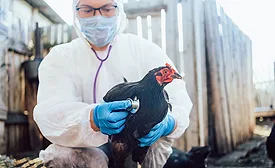
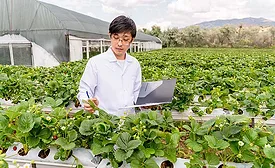
Food safety begins in the field, the barn, and the watershed, not at the processing plant. The concept of preharvest biosurveillance—the systematic, continuous monitoring and management of biological threats before harvest—is now central to building safer and more resilient food systems.
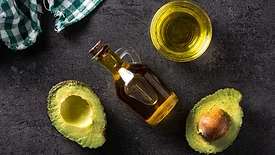
Of the products (including chips, mayonnaise, and salad dressings) labeled to contain avocado oil as the sole declared edible oil, 89 percent contained fatty acid and sterol profiles indicating the presence of other oils.
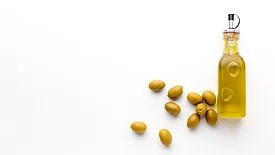
According to the Canadian Food Inspection Agency's (CFIA’s) 2024–2025Food Fraud Annual Report, CFIA tested 886 food samples for authenticity and conducted 362 label verifications. Olive oil had the lowest authenticity compliance rate.
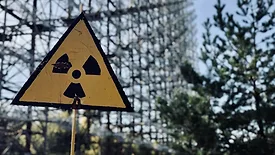
The Nuclear Energy Agency (NEA) recommendations were informed by lessons learned from the Chernobyl and Fukushima Daiichi incidents, which demonstrated that radioactive contamination of food can have long-lasting public health and economic consequences.
The Alert and Cooperation Network (ACN), which enables EU Member States to exchange information and coordinate responses to food safety incidents, processed a record 10,490 notifications. Notable incidents included a Listeria outbreak linked to French cheese, Salmonella in Italian tomatoes, and cereulide in infant formula.
Four European research and innovation projects—SecureFood, EFF-CoP, ACT4FOOD, and DEFENSEFOOD—will host a joint webinar on July 3, titled, "Advancing Food System Security: From Early Signals to Systemic Resilience.”
AI is no longer just a tool to be adopted; it is a national and business security domain that must be secured if food corporations intend to remain in business
AI-enhanced biosurveillance, integrated sensor networks, and intelligent analytics have been framed as critical enablers of safer, more efficient food systems. At the same time, the field has begun to acknowledge that the same tools that drive efficiency and predictive power can also be turned against the food system itself.