Experts Offer Global Food Systems Preparedness Framework for Nuclear, Radiological Accidents
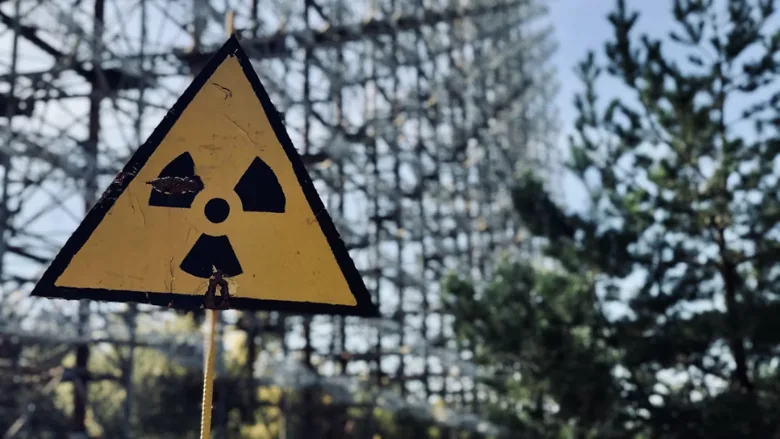
In a new report, an international expert group convened by the Organization for Economic Cooperation and Development's (OECD's) Nuclear Energy Agency (NEA) recommends a scientific review mechanism to independently validate food monitoring and trade controls following nuclear or radiological accidents, with the goal of strengthening public confidence, protecting international trade, and supporting long-term food safety.
The report outlines actions across each phase of post-accident response, ranging from the immediate assessment of food contamination and supply availability to longer-term issues such as market recovery, quality assurance, and the regeneration of agricultural ecosystems.
The Best Time to Prepare for an Emergency is When There is No Emergency
The recommendations were developed by the NEA Committee on Radiological Protection and Public Health's Expert Group on a Post-Accident Food Safety Framework, which included experts from 14 countries, representing a range of subject matter expertise areas. Brendan Niemira, Ph.D., Chief Science and Technology Officer at the Institute of Food Technologists (IFT) and former U.S. Department of Agriculture's Agricultural Research Service (USDA-ARS) research microbiologist, served as Vice Chair of the group.
"Effective preparation for an emergency happens when there is no emergency," Dr. Niemira told Food Safety Magazine. "If you do it right, with the right experts at the table, the response can be thoughtful and supportive. With a good response plan already in place, you can minimize the impacts to public health, your economy, and the environment."
Lessons Learned from Chernobyl, Fukushima
The recommendations were informed by lessons learned from the Chernobyl and Fukushima Daiichi nuclear accidents, which demonstrated that radioactive contamination of food can have long-lasting public health and economic consequences. The report noted that differences in national approaches and the absence of independent scientific evaluation have historically contributed to confusion, trade disputes, and diminished public confidence.
Importance of Internationally Harmonized Emergency Preparedness
According to the report, integrating an independent scientific review process into existing international guidance could improve harmonization among countries and provide greater clarity for regulators, industry, and consumers during post-accident recovery.
The experts recommend that governments formally adopt an internationally recognized scientific review mechanism to independently assess food monitoring programs and trade control measures implemented after a nuclear or radiological incident. They suggest that standardized sampling and testing protocols, independent expert review panels, and transparent communication of findings would help ensure consistency in decision-making while supporting consumer confidence and international trade.
The expert group concluded that an internationally recognized methodology, supported by scientific assessment and review by international experts, could strengthen confidence in food safety decisions and facilitate the long-term movement of food products following a nuclear or radiological event.
Looking for quick answers on food safety topics?
Try Ask FSM, our new smart AI search tool.
Ask FSM →






