FDA, USDA Submit ‘Ultra-Processed Foods’ Definition for Final Review
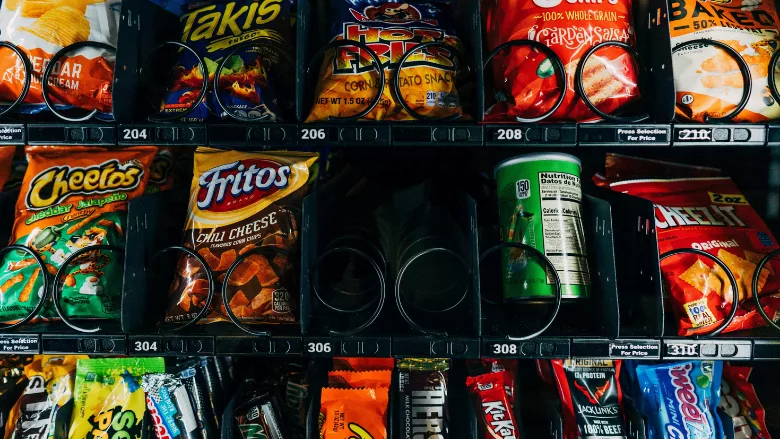
On August 10, 2026, U.S. Health Secretary Robert F. Kennedy Jr. confirmed that the U.S. Food and Drug Administration (FDA) and the U.S. Department of Agriculture (USDA) have submitted a long-awaited proposed definition for “ultra-processed foods” (UPFs) to the U.S. Office of Management and Budget (OMB) for final review. The agencies did not share specific details about the proposed definition, however.
Regulatory Context and Considerations
FDA and USDA previously issued a joint Request for Information (RFI) in July 2025 for input on a statutory definition for UPFs. The RFI closed for comment on October 23, 2025, with mixed responses from food system stakeholders. Criticisms of a potential federal UPFs definition included the concern that a focus on processing steps rather than nutritive content could lead to the penalization of foods that are not totally nutritionally lacking, as well as the likelihood of the further stigmatization of food processing as a whole. Conversely, some stated their belief that defining UPFs is necessary to protect consumers against foods that are scientifically linked to health harms.
At present, there is no single, authoritative definition for ultra-processed foods for the U.S. food supply; however, the term is most commonly associated with the four-category NOVA food classification system, which defines Category 4 UPFs as "industrially manufactured food products made up of several ingredients (formulations) including sugar, oils, fats, and salt and food substances of no or rare culinary use."
Legally defining UPFs at the federal level could allow regulatory agencies like FDA and USDA to pursue specific rules and policies for the food category.
Ultra-Processed Foods Definition Debate
The importance of food processing versus nutrient content and formulation in causing diet-related chronic diseases, as well as the value of defining UPFs, has been heavily scrutinized and debated in recent years. For example, some studies have suggested that processing does matter to health outcomes, and others found consistent associations between processed food intake and health risks across classification systems beyond NOVA. A landmark collection of studies published in June 2026 also asserted that systemic change is required to combat the addictive design and marketing of UPFs.
On the other hand, researchers have argued that UPF classifications do not reliably indicate nutritional value, and that dietary recommendations and discussions about UPFs must be grounded in real-world consumer behavior, rather than treating these products as easily avoidable. Moreover, scientists have advocated for a nuanced, scientifically rigorous food processing classification system, and warned that regulating UPFs as a category may have unintended, unwanted public health consequences if definitions for the category and mechanistic understandings of processing are not refined.
The Consumer Brands Association voiced its opposition to FDA and USDA's August 10 announcement that the agencies are moving forward with a federal UPF definition, saying, "Any so-called definition that captures 80 percent of the nation’s food supply while picking winners and losers is fundamentally flawed, not based on sound science and politically motivated. Further, substituting rhetoric for real policy is not a serious attempt at addressing public health concerns and will, instead, create widespread consumer confusion and increase grocery costs."
Looking for quick answers on food safety topics?
Try Ask FSM, our new smart AI search tool.
Ask FSM →