Food Safety
search
Ask Food Safety AI
cart
facebook twitter linkedin instagram youtube
  • Sign In
  • Create Account
  • Sign Out
  • My Account
Food Safety
  • NEWS
    • Latest News
    • Sponsored Insights
    • Sponsored White Papers
  • PRODUCTS
  • TOPICS
    • Contamination Control
    • Food Types
    • Management
    • Process Control
    • Regulatory
    • Sanitation
    • Supply Chain
    • Testing and Analysis
  • PODCAST
  • EXCLUSIVES
    • Food Safety Five Newsreel
    • eBooks
    • FSM Distinguished Service Award
    • Interactive Product Spotlights
    • Videos
  • BUYER'S GUIDE
  • MORE
    • NEWSLETTERS >
      • Archive Issues
      • Subscribe to eNews
    • Store
    • ASK FSM AI
  • WEBINARS
  • FOOD SAFETY SUMMIT
  • EMAG
    • eMagazine
    • Archive Issues
    • Editorial Advisory Board
    • Contact
    • Advertise
  • SIGN UP!
NewsManagementSupply ChainFood DefenseInternationalImports/Exports

Italian Investigation Reveals Food Safety, Fraud Risks in Global Foods Illegally Imported into EU
By Food Safety Magazine Editorial Team
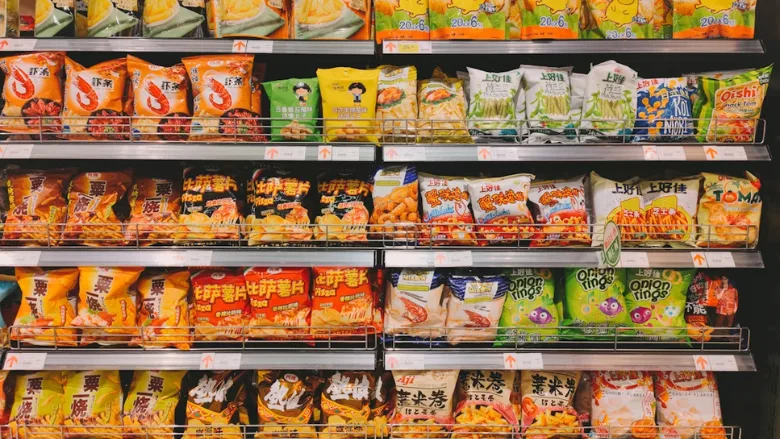
packaged chinese snacks
Image credit: Stephen Kong via Unsplash
August 21, 2026

Need to Know

  • Inspections of retailers selling global foods in Italy identified five Chinese food stores selling noncompliant animal-origin snacks, some falsely labeled as wheat- or soy-based
  • Investigators found misleading or incomplete labels including inaccurate translations, missing allergen declarations, absent "best by" dates, and omitted food business operator information
  • Authorities seized approximately 4 metric tons of prohibited foods and initiated legal proceedings against five operators
  • The findings prompted a nationally coordinated inspection campaign targeting illegal food imports, particularly meat and meat products
  • Researchers explained that prohibited products may evade EU controls for third-country imports through concealment, false labeling, and entry via less-regulated points.

An Italian investigation of retailers selling global foods uncovered the organized illegal sale of foods imported from China, some of which had been falsely sold as plant-based snacks when they contained ingredients of animal origin. Tests also revealed undeclared allergens, the presence of African Swine Fever (ASF) virus, and prohibited species. The findings prompted national authorities to launch a coordinated national inspection campaign.

The investigation was detailed in a new article published in the Italian Journal of Food Safety, in which researchers from the Naples Local Health Authority and the University of Naples examined how prohibited foods may circumvent EU controls for products imported from third countries.

EU legislation specifies the third countries, territories, regions, and establishments authorized to export certain animals and foods of animal origin to the EU. Imported products are subject to risk-based inspections at border control posts (BCPs). However, the researchers explained that prohibited products may evade these controls through concealment, false labeling, and entry through less-regulated points.

Inspections Uncover Misrepresented Animal Products

The investigation originated from Italy's Campania Region’s 2023–2027 Multiannual Regional Control Plan and concerns raised during monitoring for species identification in meat products from non-EU countries.

Investigators conducted 17 visits to ethnic food retailers—primarily Pakistani, Ukrainian, Filipino, and Chinese shops—in Naples, Italy. Notably, five Chinese food retailers were found selling irregular foods of animal origin that had been presented as products such as “salty snacks with sweeteners,” wheat-based snacks, and soy-based snacks.

Inspectors used artificial intelligence (AI)-powered translation applications to compare Chinese-language packaging with Italian labels. According to the researchers, the Italian labels followed a standardized pattern, repeatedly listing similar plant-based ingredients while omitting or misrepresenting information about the products' actual composition.

Mandatory information was also missing, including identification of the food business operator responsible for the information, allergen declarations, and “use by” or minimum durability dates. In contrast, numerical information, such as net weights, production dates, batch numbers, and nutrition declarations, generally matched the original packaging.

Looking for quick answers on food safety topics?
Try Ask FSM, our new smart AI search tool.
Ask FSM →

Investigators also examined the Chinese production facilities identified on the original labels against the EU's Trade Control and Expert System (TRACES) database. None of the facilities were located in Chinese provinces authorized at the time to export the relevant meat products to the EU, and none of the identified establishments appeared on the applicable lists of authorized exporters.

Authorities ultimately placed large quantities of food under official detention, including fresh and processed poultry, pork, and beef; seafood products; whey-containing beverages; products that could not be identified because of inadequate labeling or physical characteristics; and some non-animal foods.

Testing Detects Prohibited Species, Undeclared Allergens, and ASF Virus DNA

Officials collected 46 samples for laboratory analysis, seventeen of which were tested for species identification, including nine meat products and eight processed fishery products. Another 29 pork-containing products were tested for African swine fever (ASF) virus using real-time polymerase chain reaction (RT-PCR).

Species testing of the nine meat products identified the presence of animal-derived matrices, including pork and beef, for which the researchers said applicable imports were prohibited.

Testing of eight fishery products also identified undeclared fish and mollusk species, representing an allergen risk that was not communicated on the Italian labels.

Additionally, 12 of the 29 pork-based samples tested positive for ASF viral DNA. The researchers emphasized that detection by real-time PCR demonstrated the presence of viral DNA but did not establish that infectious virus capable of causing disease was present.

Investigators also reported hygiene and traceability violations, including missing or incomplete commercial documentation, expired products, foods in poor condition, and parasite infestation.

Approximately 4 metric tons of Chinese-origin foods prohibited from importation were ultimately seized and reported to judicial authorities. Legal proceedings were initiated against five operators for alleged offenses including commercial fraud and customs violations.

Findings Prompt National Controls

Following confirmation of the illegally imported animal products, authorities shared information through the EU's online Rapid Alert System for Food and Feed (iRASFF) platform. Italy's Ministry of Health subsequently issued a December 2023 directive for a nationally coordinated inspection campaign targeting retailers and local markets selling global foods with similar noncompliances.

The campaign called for at least 30 inspections per region and 15 per autonomous province during the first quarter of 2024. Authorities were instructed to pay particular attention to illegally imported meat and meat products because of their potential role in transmitting zoonotic pathogens. Amid Italy's ongoing ASF emergency, surveillance was also expanded to include extraordinary testing for ASF virus in irregular foods containing porcine material.

Evidence collected during the Naples investigation suggested that the retailers may have represented the endpoints of a broader illicit distribution network rather than the primary importers. Investigators found rolls and bundles of adhesive labels stored with packaged products, including inside cartons, supporting the researchers' hypothesis that illicit products and false labeling materials were supplied together, with labels potentially applied at the retail level.

The researchers concluded that enforcement efforts should extend beyond retail endpoints and make greater use of data-driven investigations, interagency and international cooperation, alert networks, and technologies such as AI. Such tools, they said, could improve traceability, data analysis, and the rapid identification of emerging food safety risks associated with fraudulent international trade.


KEYWORDS: EU food fraud global trade Italy

Share This Story

Fsm purple logo 200x200

The Food Safety Magazine editorial team comprises Bailee Henderson, Director of Content Strategy and news editor ✉, and Adrienne Blume, M.A., Director of Editorial and Industry Engagement.

Recommended Content

JOIN TODAY
to unlock your recommendations.

Already have an account? Sign In

  • people holding baby chicks

    Serovar Differences Matter: Utility of Deep Serotyping in Broiler Production and Processing

    This article discusses the significance of Salmonella in...
    Contamination Control
    By: Nikki Shariat Ph.D.
  • woman washing hands

    Building a Culture of Hygiene in the Food Processing Plant

    Everyone entering a food processing facility needs to...
    Management
    By: Richard F. Stier, M.S.
  • graphical representation of earth over dirt

    Climate Change and Emerging Risks to Food Safety: Building Climate Resilience

    This article examines the multifaceted threats to food...
    International
    By: Maria Cristina Tirado Ph.D., D.V.M. and Shamini Albert Raj M.A.
Manage My Account
  • eMagazine Subscription
  • Subscribe to Newsletters
  • Manage My Preferences
  • Website Registration
  • Subscription Customer Service

More Videos

Sponsored Content

Sponsored Content is a special paid section where industry companies provide high quality, objective, non-commercial content around topics of interest to the Food Safety Magazine audience. All Sponsored Content is supplied by the advertising company and any opinions expressed in this article are those of the author and not necessarily reflect the views of Food Safety Magazine or its parent company, BNP Media. Interested in participating in our Sponsored Content section? Contact your local rep!

close
  • Man In Warehouse
    Sponsored byRentokil

    Mitigating Hidden Rodent Risks in Food Facilities

  • an industrial manufacturing or processing facility
    Sponsored bybioMérieux

    Get Ahead of Spoilage in Food Manufacturing with Metagenomics for Preventive Monitoring

  • an automated industrial production line used in a modern food factory
    Sponsored byIFC

    A Formula for Food Processing Pest Management

Popular Stories

Cyclospora cayetanensis oocysts

FDA Begins Inspection at Taylor Farms Mexico as Official Cyclospora Outbreak Case Count Nears 10,000

lettuce leaves up close

Is Whole Head Lettuce Safer Than Bagged Salad?

stress in the food factory

When Accountability Outweighs Authority: A Structural Psychosocial Risk in Food Manufacturing

building a skilled workforce ebook

Events

August 25, 2026

Don’t Wing It: Bird Control for Food Processing Facilities

Live: August 25, 2026 at 2:00 pm EDT: This webinar will cover why managing bird activity should be a priority for your business, the complexities involved in effective bird control, and proactive strategies to help protect your facility.

September 1, 2026

Seafood Under the Microscope: FDA HACCP, Pathogen Risk, and Modern Testing Strategies

Live: September 1, 2026 at 2:00 pm EDT: Attend this webinar to learn how environmental monitoring, rapid pathogen detection, and risk-based testing strengthen seafood safety programs.

September 2, 2026

From Crisis to Control: A Listeria Elimination Journey in Food Manufacturing

Live: September 2, 2026 at 2:00 pm EDT: This webinar shares a real-world case study of a food processing facility that solved a persistent Listeria challenge after standard protocols fell short.

View All

Products

Global Food Safety Microbial Interventions and Molecular Advancements

Global Food Safety Microbial Interventions and Molecular Advancements

See More Products

Related Articles

  • graphic of hand holding phone, freighter truck, and airplance in blue connected digital dots representing supply chain

    EU Launches AI Traceability Platform to Strengthen Detection of Food Fraud, Safety Risks

    See More
  • Managing Risks in the Global Supply Chain

    See More
  • gloved hands of a foodservice worker assembling a burger

    Survey of U.S. Food Handlers Reveals Food Safety Knowledge Strengths, Opportunities to Improve Training

    See More

Related Products

See More Products
  • 1119053595.jpg

    Food Safety for the 21st Century: Managing HACCP and Food Safety throughout the Global Supply Chain, 2E

  • global food.jpg

    Global Food Safety Microbial Interventions and Molecular Advancements

  • food-safety-making.jpg

    Food Safety: Making Foods Safe and Free From Pathogens

See More Products

Events

View AllSubmit An Event
  • February 25, 2026

    How to Manage Food Safety and Regulatory Risks in Your Supply Chain

    On Demand: From this webinar, attendees will learn how large food manufacturing organizations can successfully manage their supply chain, food safety, and regulatory risks.
View AllSubmit An Event

Related Directories

  • Women In Food Safety

    Women in Food Safety is a US-based global nonprofit organization dedicated to empowering and advancing women in the food safety and quality industry. Women In Food Safety provides a platform for professionals at all stages of their careers to grow, share knowledge, and support one another. Through community events, educational initiatives, and leadership development, we are building a more inclusive and resilient future for food safety worldwide. Together, we can do BETTER!
  • Food Safety News

    Food Safety News advances public health by delivering timely, accurate, and comprehensive coverage of foodborne illness outbreaks, recalls, and regulatory developments that impact the safety of our global food supply.
  • Active Food Safety

    Active Food Safety consists of an experienced team of food safety professionals who are thought-leaders in the food industry, and have each led enterprise level food safety management programs in several of the most well-known and respected brands in the food industry. We continuously help our clients ensure food safety based on proven business best practices designed specifically to the brand - to maximize risk reduction to prevent foodborne disease illnesses and outbreaks, to meet all government regulatory requirements, and to improve sales and brand reputation.
×

Never miss the latest news and trends driving the food safety industry

Newsletters | Website | eMagazine

JOIN TODAY!
  • RESOURCES
    • Advertise
    • Contact Us
    • Directories
    • Store
    • Want More
  • SIGN UP TODAY
    • Create Account
    • eMagazine
    • Newsletters
    • Customer Service
    • Manage Preferences
  • SERVICES
    • Marketing Services
    • Reprints
    • Market Research
    • List Rental
    • Survey/Respondent Access
  • STAY CONNECTED
    • LinkedIn
    • Facebook
    • Instagram
    • X (Twitter)
  • PRIVACY
    • PRIVACY POLICY
    • TERMS & CONDITIONS
    • DO NOT SELL MY PERSONAL INFORMATION
    • PRIVACY REQUEST
    • ACCESSIBILITY

Copyright ©2026. All Rights Reserved BNP Media, Inc. and BNP Media II, LLC.

Design, CMS, Hosting & Web Development :: ePublishing