The Taylor Farms iceberg lettuce recall has been given Class I status. The details of the recall and FDA’s public health advice remain unchanged. Experts explain why recall classifications “should not be a media-worthy event” and how such headlines can cause confusion among consumers.
FDA’s post-incident Executive Incident Summary of a 2026 Salmonella outbreak linked to MOGO-brand moringa supplements details traceback findings, positive product samples, and food safety deficiencies identified during inspections of firms in the moringa powder supply chain.
Of the 21 popular packaged children’s snacks, 14 contained at least one contaminant at levels Consumer Reports considered concerning. Conversely, testing also showed generally low levels of heavy metals, and seven products had no contaminants above CR’s levels of concern.
The Nara Organics infant botulism outbreak has ended, with four sick in three states. Whole genome sequencing (WGS) findings and a shared powdered milk supplier/processor indicate a common source of contamination with the 2025 outbreak linked to ByHeart infant formula.
Regulation (EU) 2025/179, which came into effect on August 23, requires EU Member States to conduct WGS on five key pathogens during foodborne illness outbreak investigations. An interview with EFSA’s Dr. Frank Verdonck unpacks the new rule and previews the upcoming Science Meets Policy conference.
The broad preemption provision in the proposed FDA FRESH Act could dismantle state and local food safety laws without establishing equivalent federal requirements, potentially affecting labeling, contaminant regulations, foodservice/retail, manufacturing, permitting, inspections, and other areas.
Controlling foodborne antimicrobial resistance requires a One Health approach centered on food hygiene. Although antimicrobial stewardship can slow the emergence and enrichment of resistant bacteria, existing environmental reservoirs mean that resistant bacteria can contaminate food regardless of antimicrobial use.
Researchers observed inflammatory responses, gut barrier damage, and immune effects relevant to allergy development in experiments with two emulsifiers, soy lecithin and DATEM. Study author Dr. Cezmi Akdis said the findings support a more comprehensive framework for evaluating food additive safety.
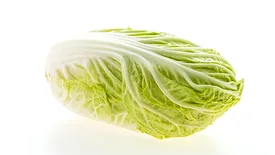
After an online video surfaced showing the illegal use of formaldehyde to preserve cabbage by a wholesaler, Chinese authorities launched an investigation, confirmed the practice, and ordered nationwide inspections of fresh produce.
In an analysis of a Listeria monocytogenes outbreak in which one person died, UKHSA highlighted investigation details, risk assessment and control measures, and the potential risks associated with home-delivered cook-chill meals.
 RSS
RSS