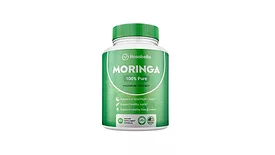
The moringa powder capsules are sold under the Rosabella brand name and are distributed by Ambrosia Brands LLC. The outbreak strain is resistant to all first-line and alternative antibiotics commonly recommended for salmonellosis treatment.
The U.S. Public Interest Research Group (PIRG) Education Fund’s newly published Food for Thought report outlines food recalls and foodborne illness outbreak investigations that occurred in 2025 and provides recommendations for improving the U.S. food recall system.
Following a global recall of infant formula products due to cereulide toxin contamination, EU officials are taking steps to prevent illnesses from cereulide-tainted formula in the future. Cases of mild illness associated with recalled product have been reported in Europe.
A new paper describes U.S. regulatory agencies’ roles in two recent, high-profile foodborne illness outbreak investigations—the Boar’s Head listeriosis outbreak and the McDonald’s Escherichia coli outbreak—and highlights the shortcomings and strengths in how the outbreaks were managed.
FDA has shared information about a contaminated ingredient—organic whole milk powder—in the multistate outbreak of infant botulism associated with ByHeart powdered infant formula.
Researchers estimate that the use of whole genome sequencing (WGS) for routine pathogen surveillance in Australia prevents up to 10,900 foodborne salmonellosis cases and delivers as much as $17 million in cost savings annually.
Nestlé says that cereulide, the contaminant behind the recall, does not cause meningitis, the illness for which the infant was hospitalized. UK authorities say no cases of illness associated with Nestlé formula have been clinically confirmed.
A new analysis of global foodborne illness data revealed that, since 1990, the number of invasive non-typhoidal Salmonella cases and deaths have risen by 46 percent and 27 percent, respectively—with significant regional disparities.
A new study estimates the annual cost of foodborne illness in Australia from six important pathogens to be $721 million AUD, with nearly half of this cost ($328 million AUD) attributed to poultry sources.
In this bonus episode of Food Safety Matters, we speak to four seasoned professionals with experience in the regulatory, academic, and industry spheres about the increasing rate of U.S. food recalls and how the foodborne illness outbreak investigation system could be improved.