Food Standards Scotland (FSS) has outlined its plans to reduce foodborne illness over the next three years, prioritizing Campylobacter, Listeria monocytogenes, and Shiga toxin-producing Escherichia coli, as well as its related research objectives.
CDC has declared the unprecedented Cyclospora outbreak linked to Taylor Farms iceberg lettuce over. FDA continues its root cause investigation of the current outbreak as well as investigations into other U.S. cyclosporiasis outbreak clusters.
An interim report details how Michigan investigators gathered early epidemiologic evidence pointing to iceberg lettuce in the massive U.S. cyclosporiasis outbreak, and how patient interview data helped inform public health actions and FDA’s traceback in real time.
Three Salmonella Enteritidis outbreak clusters potentially associated with imported eggs, one of which is part of a broader EU-wide outbreak, are under investigation. There is no evidence implicating UK-produced eggs. UKHSA emphasized that the overall risk to the public is low.
The Taylor Farms iceberg lettuce recall has been given Class I status. The details of the recall and FDA’s public health advice remain unchanged. Experts explain why recall classifications “should not be a media-worthy event” and how such headlines can cause confusion among consumers.
The Nara Organics infant botulism outbreak has ended, with four sick in three states. Whole genome sequencing (WGS) findings and a shared powdered milk supplier/processor indicate a common source of contamination with the 2025 outbreak linked to ByHeart infant formula.
Regulation (EU) 2025/179, which came into effect on August 23, requires EU Member States to conduct WGS on five key pathogens during foodborne illness outbreak investigations. An interview with EFSA’s Dr. Frank Verdonck unpacks the new rule and previews the upcoming Science Meets Policy conference.
In an analysis of a Listeria monocytogenes outbreak in which one person died, UKHSA highlighted investigation details, risk assessment and control measures, and the potential risks associated with home-delivered cook-chill meals.
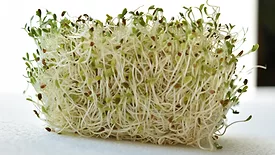
Outbreak strains include STEC serotypes O26:H11, O103:H25, and O168:H8 and one strain of Salmonella Agona. Some people were infected with more than one outbreak strain. The implicated products were distributed by Everything Sprouts LLC of Minneapolis, Minnesota.
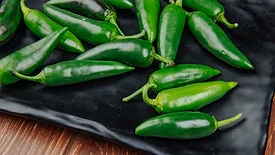
There have been 57 hospitalizations. The peppers were grown in Sinaloa, Mexico, and distributed by Coast Citrus Distributors to companies across the U.S., including Chipotle, which used its traceability system to help FDA identify the outbreak source.