A 2024 European foodborne illness outbreak caused by a rare Salmonella serotype, linked to leafy greens grown near a buffalo farm, exposed gaps in biosecurity, surveillance, and data transparency across the agri-food system.
The Trivalent Salmonella Conjugate Vaccine (TSCV), which simultaneously addresses typhoid fever and foodborne illness caused by non-typhoidal Salmonella enterica, elicited strong immune response in 100 percent of participants in the randomized, placebo-controlled clinical trial.
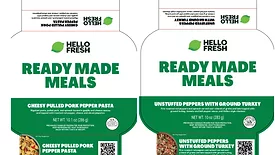
Since June, FreshRealm has been involved in an ongoing, deadly foodborne illness outbreak, as the producer of prepared pasta meals that were made with Listeria monocytogenes-tainted pasta (supplied by Nate’s Fine Foods Inc.) and distributed nationwide under various brand names. Now, FreshRealm has alerted USDA that it detected L. monocytogenes in spinach used to make meals distributed by HelloFresh.
In August, an outbreak of Shiga toxin-producing Escherichia coli O:157 (STEC) infections at Belgian long-term care facilities sickened more than 70 people, resulting in nine deaths. Raw ground beef is the probable vehicle of illness.
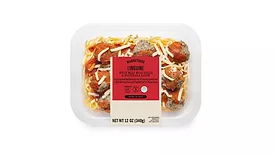
An ongoing outbreak of Listeria monocytogenes infections linked to prepared pasta meals has expanded to 15 states, causing 20 illnesses, 19 hospitalizations, and four deaths. The meals were sold under various brand names at Walmart, Kroger, and Trader Joe’s stores.
FDA has introduced two resources designed to improve public access to information about concluded foodborne illness outbreak investigations: Executive Incident Summary (EIS) Abstracts and Foodborne Outbreak Overview of Data (FOOD) Reports for historic pathogen-commodity pairs.
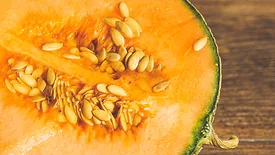
A CDC analysis of multistate foodborne illness outbreak investigation data for 2023 reveals the foods and pathogens that caused the greatest number of outbreaks and illnesses. A single salmonellosis outbreak linked to cantaloupe accounted for 407 illnesses.
The Australian OzFoodNet network recently published its latest foodborne illness monitoring report, covering the year 2019. Campylobacter caused the greatest number of illnesses, but outbreaks were dominated by Salmonella.
In France, 21 people have been sickened and two have died in a listeriosis outbreak linked to pasteurized milk cheeses produced by the Chavegrand company. Additionally, one person in Belgium has been infected with the same strain of Listeria monocytogenes.
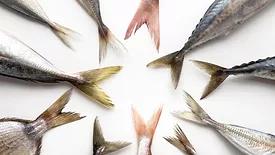
To better understand the characteristics and contributing factors of Salmonella outbreaks linked to fish and fishery products, researchers from FDA and CDC reviewed multistate foodborne illness outbreak investigation records from 2012–2021.