Food Safety
search
Ask Food Safety AI
cart
facebook twitter linkedin instagram youtube
  • Sign In
  • Create Account
  • Sign Out
  • My Account
Food Safety
  • NEWS
    • Latest News
    • White Papers
  • PRODUCTS
  • TOPICS
    • Contamination Control
    • Food Types
    • Management
    • Process Control
    • Regulatory
    • Sanitation
    • Supply Chain
    • Testing and Analysis
  • PODCAST
  • EXCLUSIVES
    • Food Safety Five Newsreel
    • eBooks
    • FSM Distinguished Service Award
    • Interactive Product Spotlights
    • Videos
  • BUYER'S GUIDE
  • MORE
    • NEWSLETTERS >
      • Archive Issues
      • Subscribe to eNews
    • Store
    • Sponsor Insights
    • ASK FSM AI
  • WEBINARS
  • FOOD SAFETY SUMMIT
  • EMAG
    • eMagazine
    • Archive Issues
    • Editorial Advisory Board
    • Contact
    • Advertise
  • SIGN UP!
NewsContamination ControlFood TypeManagementInternationalMicrobiological ControlAlternative ProteinsPlant-Based

Majority of Vegan Meat, Dairy Alternatives of Satisfactory Microbial Quality in England
By Bailee Henderson
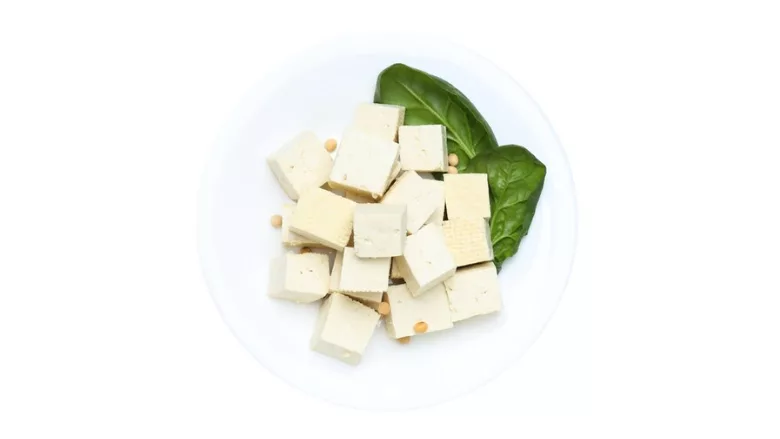
tofu cubes

Image credit: atlascompany via Freepik

November 13, 2024

A recent study published in the Journal of Applied Microbiology and led by the UK Health Security Agency (UK HSA) found the majority of vegan meat and dairy alternatives available in England to be of satisfactory microbiological quality.

Although vegan food products are often perceived by the public to have a low microbiological food safety risk, foodborne illness outbreaks have been associated with the category. Therefore, to investigate the microbiological safety and quality of vegan dairy and meat alternatives, in September 2022–March 2023, UK HSA researchers collected vegan product samples at retail (89.8 percent), production (9.4 percent), and catering establishments (0.9 percent) to test them for a range of bacterial pathogens and hygiene indicators.

Overall, 937 samples were collected and tested, comprising 414 (44 percent) meat substitutes, 246 (26 percent) vegan cheeses, 138 (15 percent) plant-based milks, 112 (12 percent) other dairy alternatives, 11 (1 percent) fish alternatives, and 16 (2 percent) other vegan items, including tofu, egg alternatives, and vegan desserts.

Of the total alternatives tested, 92 percent were of a satisfactory microbiological quality, 3 percent were borderline, and 5 percent were unsatisfactory. All of the samples deemed to be unsatisfactory were due to the presence of Escherichia coli and Enterobacteriaceae, which the researchers interpreted as indicators of poor hygiene.

Bacillus cereus was detected at borderline levels in two samples of cheese alternatives, and L. monocytogenes was detected in five samples of tofu from a single producer. Other Listeria species were detected in two burgers and two vegan chicken products. No Salmonella was found.

The researchers highlight the importance of vegan and plant-based food producers being aware of the microbial food safety risks and implementing proper food safety and hygiene protocols. 

Looking for quick answers on food safety topics?
Try Ask FSM, our new smart AI search tool.
Ask FSM →


KEYWORDS: E. coli England Enterobacter listeria study tofu

Share This Story

Baileehendersonmay23

Bailee Henderson is the Digital Editor of Food Safety Magazine, where she covers industry-relevant current events, regulatory affairs, and scientific developments. She also produces the Food Safety Five Newsreel. Notably, Bailee's coverage for Food Safety Magazine has been featured in national televised news segments including CBS Sunday Morning and MSNBC's Rachel Maddow Show. She can be reached at hendersonb@bnpmedia.com.

Recommended Content

JOIN TODAY
to unlock your recommendations.

Already have an account? Sign In

  • people holding baby chicks

    Serovar Differences Matter: Utility of Deep Serotyping in Broiler Production and Processing

    This article discusses the significance of Salmonella in...
    Methods
    By: Nikki Shariat Ph.D.
  • woman washing hands

    Building a Culture of Hygiene in the Food Processing Plant

    Everyone entering a food processing facility needs to...
    Food Prep/Handling
    By: Richard F. Stier, M.S.
  • graphical representation of earth over dirt

    Climate Change and Emerging Risks to Food Safety: Building Climate Resilience

    This article examines the multifaceted threats to food...
    Best Practices
    By: Maria Cristina Tirado Ph.D., D.V.M. and Shamini Albert Raj M.A.
Manage My Account
  • eMagazine Subscription
  • Subscribe to Newsletters
  • Manage My Preferences
  • Website Registration
  • Subscription Customer Service

More Videos

Sponsored Content

Sponsored Content is a special paid section where industry companies provide high quality, objective, non-commercial content around topics of interest to the Food Safety Magazine audience. All Sponsored Content is supplied by the advertising company and any opinions expressed in this article are those of the author and not necessarily reflect the views of Food Safety Magazine or its parent company, BNP Media. Interested in participating in our Sponsored Content section? Contact your local rep!

close
  • NEVIFIT 3 Compartment BPA-FREE
    Sponsored byCorbion

    The Risks of Ready-to-Eat: Five Ways to Protect Today's Prepared Meals

  • a group of workers in a food production facility
    Sponsored bySkillUp by Registrar Corp

    How to Build a Better Training Program: Data and Insights from the Global Food Safety Training Survey

  • the use of dual-energy X-ray food inspection technology to identify foreign contaminants.
    Sponsored byEagle by METTLER TOLEDO

    Precision Inspection Starts with the Right X-ray Detector

Popular Stories

green powder/moringa in wooden mortar

FDA Opens Third Salmonella–Moringa Outbreak Investigation of the Year

FoodSafetyMattersFinal-900x550-(002).jpg

Ep. 218. Dr. Brady Carter: Water Activity, Shelf-Life Validation, and Food Safety Controls

fermented meat

Study is First to Analyze Trends in Foodborne Illness Outbreaks Linked to Non-Dairy Fermented Products

a practical guide to spoilage investigation webinar

Events

June 3, 2026

How to Build a Better Food Safety Training Program

Live: June 3, 2026 at 2:00 pm EDT: Join this webinar to learn how AI is impacting food safety training, and how you can leverage AI in your programs.

June 4, 2026

Building a Stronger Food Safety Program in a Changing GFSI Landscape

Live: June 4, 2026 at 11:00 am EDT: Attend this webinar to understand how GFSI requirements are evolving and what those changes signal for quality programs at food and beverage facilities.

June 10, 2026

A Practical Guide to Spoilage Investigation and Prevention

Live: June 10, 2026 at 11:00 am EDT: Join this webinar to learn how to identify spoilage root causes, reduce risk, and apply data-driven strategies for prevention.

View All

Products

Global Food Safety Microbial Interventions and Molecular Advancements

Global Food Safety Microbial Interventions and Molecular Advancements

See More Products

Related Articles

  • cooked chicken breast and cooked egg

    Lab-Confirmed Cases of Salmonella, Campylobacter Infections in England Increased in 2023

    See More
  • ground beef

    Study Explores 2019 Outbreak of E. coli in England

    See More
  • Raw chicken legs with vegetables on a dark plate

    Cases of Salmonella and Campylobacter in England Hit Highest Levels in a Decade

    See More

Related Products

See More Products
  • 9781498721776.jpg

    Handbook of Food Processing: Food Safety, Quality, and Manufacturing Processes

  • global food.jpg

    Global Food Safety Microbial Interventions and Molecular Advancements

  • 1444333348.jpg

    Handbook of Food Safety Engineering

See More Products

Related Directories

  • WTI Inc.

    Protect people. Protect products. Incorporate WTI’s ingredients to ensure that your food remains safe, reliable, and of the highest quality from production to consumption. WTI produces naturally-derived vinegar antimicrobials, lemon-based phosphate alternatives, and conventional solutions that improve food quality, enhance yield, produce cleaner labels, keep food safe, and extend shelf-life.
  • MADCAP Dairy Software

    MADCAP, developed by Contec Group International Ltd (CGI), is a cutting-edge platform designed to optimize dairy supply chains. With over five decades of industry expertise, MADCAP offers scalable, integrated solutions that improve efficiency, transparency, and traceability. Trusted by top dairy companies across 28 countries, including the United States, MADCAP is known for its ability to streamline operations and support global dairy production. Headquartered in Christchurch, New Zealand, CGI continues to drive innovation in the dairy sector through advanced technology.
×

Never miss the latest news and trends driving the food safety industry

Newsletters | Website | eMagazine

JOIN TODAY!
  • RESOURCES
    • Advertise
    • Contact Us
    • Directories
    • Store
    • Want More
  • SIGN UP TODAY
    • Create Account
    • eMagazine
    • Newsletters
    • Customer Service
    • Manage Preferences
  • SERVICES
    • Marketing Services
    • Reprints
    • Market Research
    • List Rental
    • Survey/Respondent Access
  • STAY CONNECTED
    • LinkedIn
    • Facebook
    • Instagram
    • X (Twitter)
  • PRIVACY
    • PRIVACY POLICY
    • TERMS & CONDITIONS
    • DO NOT SELL MY PERSONAL INFORMATION
    • PRIVACY REQUEST
    • ACCESSIBILITY

Copyright ©2026. All Rights Reserved BNP Media, Inc. and BNP Media II, LLC.

Design, CMS, Hosting & Web Development :: ePublishing