Researchers Raise Concerns About Multidrug-Resistant Campylobacter Circulating Across Sectors and Countries in Europe
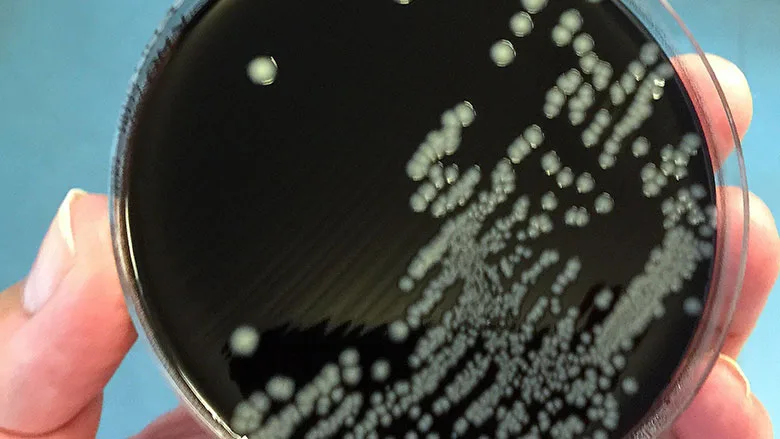
A multidrug-resistant lineage of Campylobacter coli has circulated across human, animal, food, and environmental sources in Europe for years, highlighting the need for coordinated One Health genomic surveillance, according to a study published Emerging Infectious Diseases.
An international team of researchers characterized the emergence and transmission of C. coli sequence type (ST) 10042, which was initially identified as a predominant sequence type through whole genome sequencing (WGS)-based surveillance in Portugal. The study included 217 C. coli ST10042 isolates collected from nine European countries between August 2018 and December 2025. Of these, 184 were human isolates and 33 came from animal, food, or environmental sources.
Portugal contributed the greatest number of human isolates, with 85, followed by Germany with 30 and Luxembourg with 21. In Portugal, ST10042 accounted for 30 percent of C. coli infections in 2022, declined to 14–15 percent in 2023–2024, and increased to 24 percent in 2025. Overall, ST10042 was the country's most frequently identified C. coli sequence type during 2021–2025.
Of the 30 animal- and food-derived isolates included in the study, 83 percent originated from poultry. Isolates were recovered from raw poultry meat, chicken-based prepared dishes, livestock, and a dog. Another three isolates were recovered from surface waters.
Genomic analysis identified cross-border clusters, including a large cluster primarily comprising isolates from Portugal and Luxembourg, alongside isolates from Germany, Ireland, the UK, Spain, and the Netherlands. Other notable clusters linked isolates from Germany and Denmark and from Ireland. The researchers said the findings demonstrated sustained transnational and cross-sector circulation rather than exclusively sporadic C. coli infections.
The lineage also exhibited a conserved multidrug-resistant profile. All 98 Portuguese isolates that underwent antimicrobial susceptibility testing were resistant to ciprofloxacin, tetracycline, and ampicillin. Nearly all were resistant to amoxicillin/clavulanic acid and showed decreased susceptibility to ertapenem, although the researchers noted that the absence of established clinical breakpoints and clinical outcome data limits interpretation of ertapenem susceptibility.
The researchers identified genetic determinants associated with resistance to fluoroquinolones, tetracyclines, and β-lactams across the broader collection of 217 isolates. They also suggested that variation in the porA gene influenced susceptibility to amoxicillin/clavulanic acid and ertapenem.
Looking for quick answers on food safety topics?
Try Ask FSM, our new smart AI search tool.
Ask FSM →
The study was limited by differences in WGS surveillance coverage among countries, overrepresentation of Portuguese isolates, and a lack of detailed epidemiological data needed to confirm transmission routes or outbreak causality.
Overall, the researchers asserted that the findings demonstrated the importance of harmonized One Health WGS surveillance across human, animal, food, and environmental sectors, including standardized sampling and analytical approaches and shared genomic databases for detecting emerging antimicrobial-resistant Campylobacter lineages.