Food Safety
search
Ask Food Safety AI
cart
facebook twitter linkedin instagram youtube
  • Sign In
  • Create Account
  • Sign Out
  • My Account
Food Safety
  • NEWS
    • Latest News
    • Sponsored Insights
    • Sponsored White Papers
  • PRODUCTS
  • TOPICS
    • Contamination Control
    • Food Types
    • Management
    • Process Control
    • Regulatory
    • Sanitation
    • Supply Chain
    • Testing and Analysis
  • PODCAST
  • EXCLUSIVES
    • Food Safety Five Newsreel
    • eBooks
    • FSM Distinguished Service Award
    • Interactive Product Spotlights
    • Videos
  • BUYER'S GUIDE
  • MORE
    • NEWSLETTERS >
      • Archive Issues
      • Subscribe to eNews
    • Store
    • ASK FSM AI
  • WEBINARS
  • FOOD SAFETY SUMMIT
  • EMAG
    • eMagazine
    • Archive Issues
    • Editorial Advisory Board
    • Contact
    • Advertise
  • SIGN UP!
NewsContamination ControlFood TypeMicrobiological ControlProduce

Pathogens Found on Brazilian Citrus Fruit Present Emerging Food Safety Concerns
By Food Safety Magazine Editorial Team
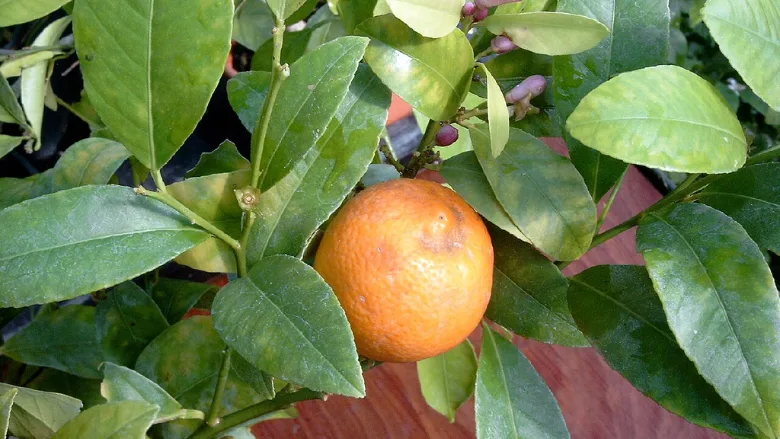
rangpur lime
Image credit: Bernhard Voß at German Wikipedia via Wikimedia Commons
September 29, 2026

During the screening of lactic acid bacteria on Rangpur limes (a hybrid citrus rather than a true lime), scientists in Brazil discovered the presence of two emerging pathogens with traits that raise concerns for food safety and One Health.

The pathogens were identified in the initial phase of a research project focused on analyzing beneficial microbes on various tropical fruits, conducted by researchers from the University of São Paulo and the Polytechnic University of Viana do Castelo. While the researchers were evaluating the growth of bacterial isolates, the researchers recorded that some of the isolates were negative (no growth) in modified culture media where glucose was replaced with lactose, sucrose, or rhamnose; however, other initial isolates showed reasonable bacterial growth in the same modified media. The bacteria were further identified as Escherichia albertii and Kosakonia cowaniii. Driven by scientific curiosity, these bacteria were further investigated.

The three studied strains, chosen for their high frequency in microbial isolates obtained from fruit samples, were found to be hemolytic, resistant to ampicillin with intermediate susceptibility to nalidixic acid, and carrying certain virulence genes including fim and hly. They were also positive for β-galactosidase, an enzyme that helps opportunistic pathogens survive, colonize, and persist outside their primary host environments; and showed presumptive amino acid decarboxylase activity (indicating potential for production of biogenic amines), an important parameter in food safety, as the accumulation of biogenic amines can result in serious toxicological effects for consumers.

Limes Grown in Proximity to Poultry Farms

The Rangpur limes tested in the study were cultivated in a rural area outside of São Paulo, Brazil, where fruit trees were grown and poultry were raised in proximity. According to the researchers, their findings not only support the view that fresh fruits grown at animal–crop interfaces can possibly serve as reservoirs of opportunistic and emerging bacteria, but also suggest that fruit grown in the region of the studied limes may harbor pathogens of relevance to food safety and One Health surveillance.

Findings Suggest Food Safety, Public Health Risks

Moreover, the identification of E. albertii and K. cowanii on citrus fruit presents a “serious food safety challenge,” said the researchers, because it indicates microbial resilience to the naturally acidic environment of the fruit. They cited emerging evidence that enteric and phytopathogenic bacteria can deploy stress-response mechanisms, including amino acid decarboxylase systems and biofilm formation, to withstand acidity.

From an epidemiologic perspective, the presence of these species on fruit intended for consumption without a final kill-step presents risks to the consumer. E. albertii represents a high-priority, emerging human pathogen equipped with pathogenicity islands seen in the genomes of pathogenic bacteria like enteropathogenic and enterohemorrhagic E. coli (EPEC and EHEC), as well as Shiga toxin-encoding sequences capable of causing severe gastrointestinal disease and complications. Although predominantly characterized as a tissue-necrotizing plant pathogen, K. cowanii displayed opportunistic traits capable of causing infections in immunocompromised host populations.

Calls for Further Analysis, Heightened Surveillance, Preharvest Prevention

“Ultimately, the isolation of these organisms points to potential agricultural contamination, likely via irrigation water or soil amendments, and underscores the necessity for heightened post-harvest surveillance,” the researchers concluded. “A pathogen that is considered strictly associated with the animal gut but can be recorded on fruits and vegetables needs to be evaluated with more attention related to potential food safety.”

Further identification, such as with whole genome sequencing (WGS), and bioinformatic analyses are necessary next steps in exploring the pathogenicity of the selected strains of E. albertii and K. cowanii. Rather than indicating an immediate public health threat, the researchers stressed that their findings should be interpreted within the context of an exploratory study based on a limited number of isolates that require additional study, underlining the importance of microbiological surveillance, accurate identification of atypical isolates, and preventive practices in primary production systems.

Looking for quick answers on food safety topics?
Try Ask FSM, our new smart AI search tool.
Ask FSM →


KEYWORDS: Brazil fruit one health pathogens study

Share This Story

Fsm purple logo 200x200

The Food Safety Magazine editorial team comprises Bailee Henderson, Director of Content Strategy and news editor ✉, and Adrienne Blume, M.A., Director of Editorial and Industry Engagement.

Recommended Content

JOIN TODAY
to unlock your recommendations.

Already have an account? Sign In

  • people holding baby chicks

    Serovar Differences Matter: Utility of Deep Serotyping in Broiler Production and Processing

    This article discusses the significance of Salmonella in...
    Microbiological Control
    By: Nikki Shariat Ph.D.
  • woman washing hands

    Building a Culture of Hygiene in the Food Processing Plant

    Everyone entering a food processing facility needs to...
    Personal Hygiene/Handwashing
    By: Richard F. Stier, M.S.
  • graphical representation of earth over dirt

    Climate Change and Emerging Risks to Food Safety: Building Climate Resilience

    This article examines the multifaceted threats to food...
    International
    By: Maria Cristina Tirado Ph.D., D.V.M. and Shamini Albert Raj M.A.
Manage My Account
  • eMagazine Subscription
  • Subscribe to Newsletters
  • Manage My Preferences
  • Website Registration
  • Subscription Customer Service

More Videos

Sponsored Content

Sponsored Content is a special paid section where industry companies provide high quality, objective, non-commercial content around topics of interest to the Food Safety Magazine audience. All Sponsored Content is supplied by the advertising company and any opinions expressed in this article are those of the author and not necessarily reflect the views of Food Safety Magazine or its parent company, BNP Media. Interested in participating in our Sponsored Content section? Contact your local rep!

close
  • Top view portrait of two factory workers standing by conveyor belt during quality inspection at food production, copy space
    Sponsored byFlexXray

    Foreign Material By the Numbers: What the 2026 Benchmark Report Reveals

  • a conveyorized industrial metal detector system that appears to resemble a Loma Systems IQ4 Metal Detector setup with an integrated conveyor belt and control panel for food or package inspection.
    Sponsored byMettler Toledo

    Beyond Detection: How to Avoid Physical Contamination in Food Through a Smarter Inspection Strategy

  • The image displays a bottling plant production line, commonly used in the beverage industry for filling and packaging soft drinks.
    Sponsored byBIOIONIX

    Sustainability with ROI: A Beverage Producer Case Study in Water Savings

Popular Stories

Dr. Heidi Overton speaking at Senate hearing

In Senate Hearing, FDA Commissioner Nominee Says Lack of Resources Will Challenge GRAS Reform

The image displays a bottling plant production line, commonly used in the beverage industry for filling and packaging soft drinks.

Sustainability with ROI: A Beverage Producer Case Study in Water Savings

simple UK flag

UK FSA Board Decides to Advance Sweeping Food System Regulatory Reforms

allergens ebook

Events

September 30, 2026

Beyond Compliance: Building a Culture of Food Safety with GFSI's 2026 Framework

Live: September 30, 2026 at 2:00 pm EDT: Attend this webinar to evaluate best practices for monitoring regulatory changes and protecting market access.

October 6, 2026

Advances in Environmental Monitoring Science and Strategy

Live: October 6, 2026 at 2:00 pm EDT: This webinar will cover how environmental monitoring science and EMP strategies support sanitation verification and the safe production of food.

October 15, 2026

How to Prevent Physical Contamination in Food Production and Strengthen Compliance

Live: October 15, 2026 at 2:00 pm EDT: Attend this webinar to gain insight into how product inspection helps protect your brand, reduce recall risk, and support compliance.

View All

Products

Global Food Safety Microbial Interventions and Molecular Advancements

Global Food Safety Microbial Interventions and Molecular Advancements

See More Products

Related Articles

  • FDA Provides Update on Food Safety Concerns Related to Fukushima Nuclear Plant Incident

    See More
  • pizza kitchen takeout box

    Food Safety Concerns of E-Commerce, Ghost Kitchens, Delivery

    See More
  • father feeding a baby from a bottle

    Recommendations for Addressing Food Safety Concerns in Human Milk Banks

    See More

Related Products

See More Products
  • food-safety-making.jpg

    Food Safety: Making Foods Safe and Free From Pathogens

  • 1119053595.jpg

    Food Safety for the 21st Century: Managing HACCP and Food Safety throughout the Global Supply Chain, 2E

  • 9781138070912.jpg

    Trends in Food Safety and Protection

See More Products

Events

View AllSubmit An Event
  • June 25, 2026

    Rethinking Food Safety: Eliminating Biofilm and Building a Smarter Food Safety System

    On Demand: Join this webinar to explore a modern approach to decontamination that goes beyond surface-level cleaning to combat biofilm and persistent pathogens.
View AllSubmit An Event

Related Directories

  • OnSite Food Safety (Microbiologique)

    Rapid, simple gluten and allergen test kits. OnSite® Test Kits require no equipment and are useful for both commercial laboratories and for the food production industry.
  • Food Safety News

    Food Safety News advances public health by delivering timely, accurate, and comprehensive coverage of foodborne illness outbreaks, recalls, and regulatory developments that impact the safety of our global food supply.
  • Active Food Safety

    Active Food Safety consists of an experienced team of food safety professionals who are thought-leaders in the food industry, and have each led enterprise level food safety management programs in several of the most well-known and respected brands in the food industry. We continuously help our clients ensure food safety based on proven business best practices designed specifically to the brand - to maximize risk reduction to prevent foodborne disease illnesses and outbreaks, to meet all government regulatory requirements, and to improve sales and brand reputation.
×

Never miss the latest news and trends driving the food safety industry

Newsletters | Website | FSM Features Collection

JOIN TODAY!
  • RESOURCES
    • Advertise
    • Contact Us
    • Directories
    • Store
    • Want More
  • SIGN UP TODAY
    • Create Account
    • eMagazine
    • Newsletters
    • Customer Service
    • Manage Preferences
  • SERVICES
    • Marketing Services
    • Reprints
    • Market Research
    • List Rental
    • Survey/Respondent Access
  • STAY CONNECTED
    • LinkedIn
    • Facebook
    • Instagram
    • X (Twitter)
  • PRIVACY
    • PRIVACY POLICY
    • TERMS & CONDITIONS
    • DO NOT SELL MY PERSONAL INFORMATION
    • PRIVACY REQUEST
    • ACCESSIBILITY

Copyright ©2026. All Rights Reserved BNP Media, Inc. and BNP Media II, LLC.

Design, CMS, Hosting & Web Development :: ePublishing