Australia to Develop Foodborne Campylobacter Action Plan
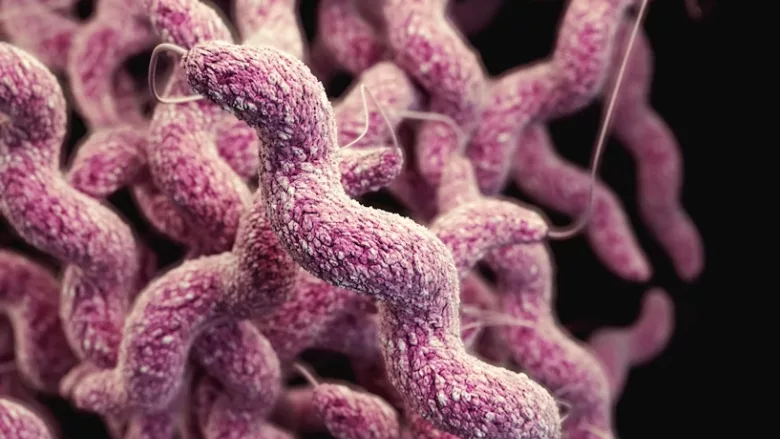
The joint Australia–New Zealand Food Regulation System has endorsed the development of a five-year Australian National Campylobacter Action Plan and is inviting interested parties to register to receive communication and requests for stakeholder engagement.
The joint Food Regulation System includes Australia and New Zealand food ministers; Food Standards Australia New Zealand (FSANZ); the New Zealand Ministry for Primary Industries; the Australian Department of Agriculture, Fisheries, and Forestry; and state, local, and territorial agencies. The Campylobacter Action Plan would fall under the Strategic Action Plan 2025–2028, which outlines the main goals of Australia and New Zealand’s food regulatory system.
The Campylobacter Action Plan would outline short-term, medium-term, and long-term strategies to understand and mitigate foodborne Campylobacter risks, with the goal of reducing the risks of campylobacteriosis across the Australian food supply chain. The action plan would be designed to utilize an integrated and coordinated approach across the bi-national food regulation system, involving food regulators, industry, research institutions, and the public health system more broadly.
An Implementation Subcommittee for Food Regulation working group has been formed to carry out the development of the Campylobacter Action Plan, led by FSANZ and Safe Food Production Queensland.
Stakeholders who are interested in contributing to the plan’s development can register their information here.
The Significance of Campylobacter in Australia
Recent research shows that Campylobacter is an important foodborne pathogen in Australia. For example, a study published in 2024 with Australia’s OzFoodNet estimated the economic impact of foodborne campylobacteriosis contracted from chicken consumption alone to be more than $110 million USD annually.
Additionally, the most recent OzFoodNet annual report, released in 2022 and analyzing 2017 data, found that campylobacteriosis was the most commonly reported foodborne illness, representing 60 percent (28,432) of cases. The majority of cases were not outbreak-related, and C. jejuni was the most frequently identified serotype (84 percent).
Looking for quick answers on food safety topics?
Try Ask FSM, our new smart AI search tool.
Ask FSM →