Food Safety
search
Ask Food Safety AI
cart
facebook twitter linkedin instagram youtube
  • Sign In
  • Create Account
  • Sign Out
  • My Account
Food Safety
  • NEWS
    • Latest News
    • White Papers
  • PRODUCTS
  • TOPICS
    • Contamination Control
    • Food Types
    • Management
    • Process Control
    • Regulatory
    • Sanitation
    • Supply Chain
    • Testing and Analysis
  • PODCAST
  • EXCLUSIVES
    • Food Safety Five Newsreel
    • eBooks
    • FSM Distinguished Service Award
    • Interactive Product Spotlights
    • Videos
  • BUYER'S GUIDE
  • MORE
    • NEWSLETTERS >
      • Archive Issues
      • Subscribe to eNews
    • Store
    • Sponsor Insights
    • ASK FSM AI
  • WEBINARS
  • FOOD SAFETY SUMMIT
  • EMAG
    • eMagazine
    • Archive Issues
    • Editorial Advisory Board
    • Contact
    • Advertise
  • SIGN UP!
NewsContamination ControlManagementRegulatoryInternationalRisk AssessmentChemicalInternational Standards/Harmonization

EU Report Outlines Food Chemical Risk Assessment Data Gaps

By Food Safety Magazine Editorial Team
professionals in suits looking at computer with graphic overlay of circuitry and text that says DATA
Image credit: rawpixel via Freepik
February 26, 2026

The European Food Safety Authority (EFSA) has published a report on the emerging challenges and opportunities in food chemical risk assessment data, focusing on gaps, existing sources, and recommendations for data improvements, with the ultimate goal of supporting stronger risk assessments for emerging chemical risks.

The report summarizes the findings of the EFSA-commissioned project Monitoring and Surveillance Data for Future Chemical Risk Assessment Needs in EFSA: Exploring New Opportunities. The project applied a structured approach combining a review of EFSA outputs, peer-reviewed literature, and an online survey of EFSA scientific units.

Data for eight chemical groups were examined: pesticides, environmental pollutants, biogenic substances, food additives and flavorings, food enzymes, food-contact materials, feed additives, and processing contaminants.

Existing Food Chemical Data and Critical Gaps

A total of 44 data gaps were identified, with 21 prioritized as highly relevant. Critical gaps included:

  • Occurrence data for processed foods
  • Metabolites and degradation products
  • Human biomonitoring
  • Combined exposure scenarios
  • Data for sensitive or underrepresented populations.

Data source mapping included screening 66,958 literature entries, conducting web searches, and consulting with stakeholders. Source mapping yielded 230 unique data sources, of which only half (114) met the eligibility criteria of relevance; quality; and Findable, Accessible, Interoperable, and Reusable (FAIR) principles.

Some topics were covered more thoroughly than others. For example, pesticides and environmental pollutants were well-represented, while food enzymes and feed additives exhibited severe deficiencies.

Approximately 60 percent of sources addressed multiple gaps or chemical groups, but data fragmentation, duplication, and lack of harmonization were common.

Challenges of Existing Data and Recommendations for Improvement

Persistent data challenges included fragmentation, poor interoperability, restricted access to private datasets, and limited geographical representativeness, hindering the operationalization of the One Health approach.

To address these challenges and improve data availability, quality, and interoperability, the report recommended:

  • Generating new data to address underrepresented areas
  • Harmonizing standards through FAIR principles and FoodEx2, an EFSA system for classifying and describing food and feed
  • Improving data sharing via open or controlled-access frameworks
  • Supporting the development of the EU Common Data Platform for Chemicals.

Implementation of these measures is predicted to improve data, reinforce scientific rigor, and enable EFSA to deliver proportionate, One Health-aligned risk assessments for emerging chemical challenges.

Looking for quick answers on food safety topics?
Try Ask FSM, our new smart AI search tool.
Ask FSM →


KEYWORDS: data EFSA EU Europe report

Share This Story

Fsm purple logo 200x200

The Food Safety Magazine editorial team comprises Bailee Henderson, Digital Editor ✉; Adrienne Blume, M.A., Editorial Director; and Stacy Atchison, Publisher.

Recommended Content

JOIN TODAY
to unlock your recommendations.

Already have an account? Sign In

  • people holding baby chicks

    Serovar Differences Matter: Utility of Deep Serotyping in Broiler Production and Processing

    This article discusses the significance of Salmonella in...
    Contamination Control
    By: Nikki Shariat Ph.D.
  • woman washing hands

    Building a Culture of Hygiene in the Food Processing Plant

    Everyone entering a food processing facility needs to...
    Facilities
    By: Richard F. Stier, M.S.
  • graphical representation of earth over dirt

    Climate Change and Emerging Risks to Food Safety: Building Climate Resilience

    This article examines the multifaceted threats to food...
    Contamination Control
    By: Maria Cristina Tirado Ph.D., D.V.M. and Shamini Albert Raj M.A.
Manage My Account
  • eMagazine Subscription
  • Subscribe to Newsletters
  • Manage My Preferences
  • Website Registration
  • Subscription Customer Service

More Videos

Sponsored Content

Sponsored Content is a special paid section where industry companies provide high quality, objective, non-commercial content around topics of interest to the Food Safety Magazine audience. All Sponsored Content is supplied by the advertising company and any opinions expressed in this article are those of the author and not necessarily reflect the views of Food Safety Magazine or its parent company, BNP Media. Interested in participating in our Sponsored Content section? Contact your local rep!

close
  • factory
    Sponsored byIFC

    A Clean Break to Reset the Environment with Chlorine Dioxide

  • Salmonella bacteria
    Sponsored byThermoFisher

    Food Microbiology Testing Methods: Salmonella species

  • a diagram explaining indicator organisms
    Sponsored byHygiena

    How Proactive Listeria Testing Helps Prevent Six- and Seven-Figure Recalls

Popular Stories

man working in a cheese warehouse smiling at camera holding laptop

FDA Announces FSMA 204 Stakeholder Engagement Initiative, Releases Guidance

test swab and tube

Study Shows How Swab Storage Time, Temperature Affect Allergen Detection

soft fresh white queso fresco-type cheese

Study Shows Salt Inhibits Listeria Growth in Queso Fresco

Events

March 3, 2026

FDA/USDA Regulatory Updates: Food Safety Work Plans for 2026

Live: March 3, 2026 at 2:00 pm EST: In this high-level, exclusive webinar, FDA Deputy Commissioner for Human Foods Kyle Diamantas and USDA Under Secretary for Food Safety Mindy Brashears, Ph.D. will share their agencies' regulatory priorities and work plans for 2026 and beyond.

May 11, 2026

The Food Safety Summit

Stay informed on the latest food safety trends, innovations, emerging challenges, and expert analysis. Leave the Summit with actionable insights ready to drive measurable improvements in your organization. Do not miss this opportunity to learn from experts about contamination control, food safety culture, regulations, sanitation, supply chain traceability, and so much more.

View All

Products

Global Food Safety Microbial Interventions and Molecular Advancements

Global Food Safety Microbial Interventions and Molecular Advancements

See More Products

Related Articles

  • desk with a laptop showing dna strands, microscope, beakers holding colorful fluid

    EFSA Outlines Research Needs to Advance Risk Assessment: Gut Microbiome, Chemical Exposures, and More

    See More
  • cartoon illustration of doctors examining gut microbiome

    FAO Identifies Needs for Including Gut Microbiome Data in Food Chemical Safety Risk Assessment

    See More
  • two researchers standing in front of large screen that says AI

    Using RASFF Data, Researchers Develop Integrated AI Framework for Improved Food Safety Risk Assessment

    See More

Related Products

See More Products
  • food safety.jpg

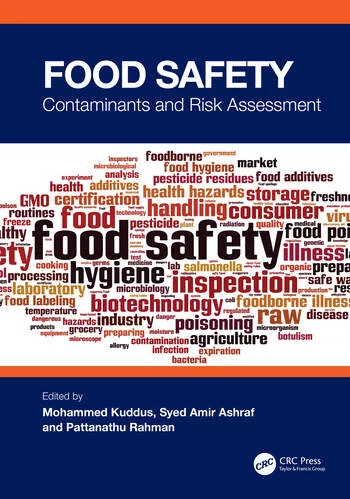
    Food Safety Contaminants and Risk Assessment

  • 1119160553.jpg

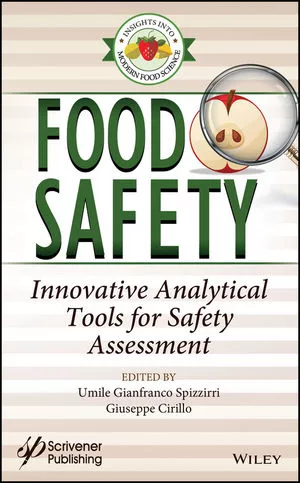
    Food Safety: Innovative Analytical Tools for Safety Assessment

  • 1119071127.jpg

    Food Safety, Risk Intelligence and Benchmarking

See More Products
×

Never miss the latest news and trends driving the food safety industry

Newsletters | Website | eMagazine

JOIN TODAY!
  • RESOURCES
    • Advertise
    • Contact Us
    • Directories
    • Store
    • Want More
  • SIGN UP TODAY
    • Create Account
    • eMagazine
    • Newsletters
    • Customer Service
    • Manage Preferences
  • SERVICES
    • Marketing Services
    • Reprints
    • Market Research
    • List Rental
    • Survey/Respondent Access
  • STAY CONNECTED
    • LinkedIn
    • Facebook
    • Instagram
    • X (Twitter)
  • PRIVACY
    • PRIVACY POLICY
    • TERMS & CONDITIONS
    • DO NOT SELL MY PERSONAL INFORMATION
    • PRIVACY REQUEST
    • ACCESSIBILITY

Copyright ©2026. All Rights Reserved BNP Media.

Design, CMS, Hosting & Web Development :: ePublishing