Learnings from UK Drug-Resistant E. coli Outbreak that Gave 19 Kids HUS
A new post-incident analysis led by the UK Health Security Agency (UKHSA) and published in the journal Epidemiology and Infection provides insight into a year-long Escherichia coli outbreak that resulted in serious illness among children.
Outbreak Details
Between October 2023 and September 2024, there were a reported 37 confirmed cases of illness and three probable cases reported in association with the outbreak. The outbreak strain was identified via polymerase chain reaction (PCR) as a multidrug-resistant (MDR) Shiga-toxin producing E. coli (STEC) O26:H11. At the time of the outbreak, approximately 40 percent of laboratories in the UK used commercial PCR assays for the detection of gastrointestinal pathogens like STEC.
Among the 31 symptomatic, confirmed cases, 22 reported bloody diarrhea and 18 were admitted to the hospital. Overall, 19 confirmed and probable cases developed hemolytic uremic syndrome (HUS). Ages of HUS patients ranged between 12 weeks and 15 years with a median age of three years, although the majority (74 percent) were five years old or younger.
Epidemiological Evidence
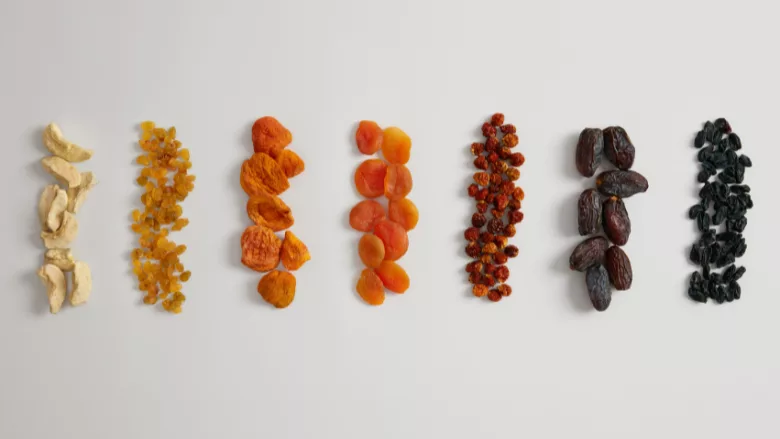
Interviews of patients revealed a dried fruit multipack product marketed for children as a commonly consumed item. Product traceback identified a singular supplier in a non-European country that exported to the five major UK retailers that sold the multipack to the outbreak patients. However, all food samples that were tested yielded negative results for STEC.
Still, epidemiological and food chain data pointed to the dried fruit product as the most plausible vehicle of infection. The temporal distribution of cases and the product’s long shelf life also allowed for a reasonable level of investigative evidence to be compiled by supply chain tracing.
Difficulty of Confirmation and Importance of Weight-of-Evidence Frameworks
Although microbiological testing of the food failed to detect the pathogen, the infectious dose of STEC is low, so contamination of the product may have been present but below the limit of detection. There are also no selective enrichment methods for non-O157 STEC. Moreover, specific batch numbers could not be obtained for testing, limiting the ability to conduct targeted testing to enhance the likelihood of obtaining microbiological evidence.
The researchers highlight the importance of relying on multi-source weight-of-evidence frameworks, such as the framework offered by the European Food Safety Authority (EFSA), which enable the classification of vehicles of infection in outbreaks as “strong” even in the absence of testing confirmation.
The Presence of Pathogenicity Genes
Despite the relatively small number of cases in this outbreak compared to other recent foodborne STEC outbreaks in the UK, it posed a substantial public health concern due to the high proportion of patients who developed HUS. The high rate of HUS was likely due to the number of young children involved and the pathogenicity of the outbreak strain; PCR revealed the strain had stx2a and eae, which is the combination of pathogenicity genes most frequently associated with the most severe clinical outcomes.
Looking for quick answers on food safety topics?
Try Ask FSM, our new smart AI search tool.
Ask FSM →