Court Ruling Closes Loophole Exempting UPFs from GMO Ingredient Labeling Rule
The court also ruled that QR code-only disclosures are unlawful.
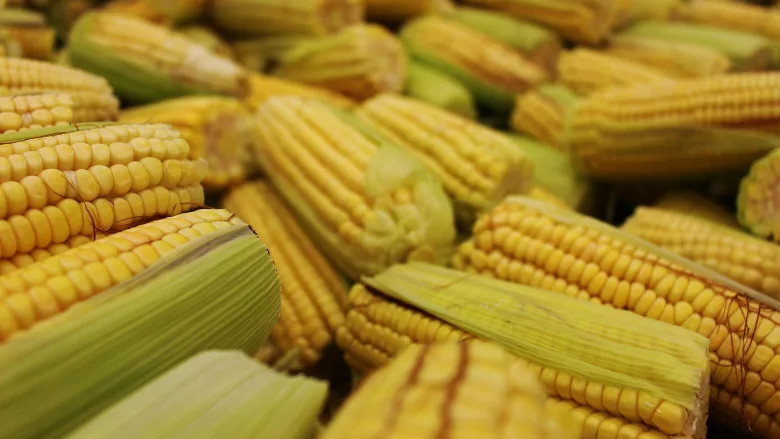
A federal court ruling could lead to stricter enforcement of genetically modified organism (GMO) labeling regulations for food products, no longer exempting certain “ultra-processed foods” (UPFs) and ending QR code-only disclosures.
Congress passed the National Bioengineered Food Disclosure Law in 2016, which directed the U.S. Department of Agriculture (USDA) to establish a national mandatory standard for disclosing foods that are genetically modified (GM) (also known as “bioengineered”) or contain GM/bioengineered ingredients.
In 2018, USDA issued the Bioengineered Food Disclosure Standard, which allowed regulated entities to provide bioengineered/GM disclosures on product labels in the form of text, symbol, digital links/QR code, text message, phone number, or web address.
Additionally, the standard specified “bioengineered foods” as those that contain detectable GM material—allowing for the exemption of many highly refined or processed foods that are made with GM ingredients. This is because high levels of processing can render such ingredients “undetectable” (via DNA testing methods) in the final product. For example, this exemption affects ingredients like corn and soy oils.
A lawsuit filed against USDA by the Center for Food Safety (CFS) and other interest groups, which was battled in court for years, took issue with the standard’s allowance of QR code/text message disclosures by themselves, as well as the rule’s exemption of UPFs from bioengineered disclosures.
The U.S. Court of Appeals for the Ninth Circuit has finally ruled in favor of the plaintiffs.
The court explained in its opinion that “A food is ‘bioengineered’ if it actually has modified genetic material within it… there is an obvious and important difference between whether a substance is actually present and whether, using a particular method, one is able to detect that the substance is present."
Looking for quick answers on food safety topics?
Try Ask FSM, our new smart AI search tool.
Ask FSM →
USDA will be required to amend relevant provisions of the Bioengineered Food Disclosure Standard in accordance with the ruling.
According to CFS, closing the processed food loophole is significant, because “GMO UPFs” that have skirted bioengineered ingredients disclosures, including sodas and cooking oils, comprise the majority (70 percent or more) of all bioengineered ingredient-containing products on the market.
The latest decision would also reverse an earlier ruling that declined to strike down USDA’s QR code provision, ultimately siding with the plaintiffs’ complaint that QR code disclosures alone are not enough to inform consumers of bioengineered ingredients. The court has now deemed it unlawful to use QR codes without an explicit on-label disclosure about bioengineered ingredients.