Unlike allergen control programs, GMO control relies primarily on supplier verification and traceability rather than routine analytical testing. Survey findings reveal how food processors approach GMO control, while evolving traceability requirements could reshape testing practices and market demand in the coming years.
A U.S. appeals court has ruled that USDA must amend the Bioengineered Food Disclosure Standard to close the loophole that exempts certain “ultra-processed” foods (UPFs) from displaying label disclosures for genetically modified (GM) ingredients. Additionally, the court ruled that QR code-only disclosures are unlawful without explicit on-label statements.
The new definitions are designed to remove ambiguity and improve clarity and predictability while continuing to protect public health and safety, but some food industry sectors oppose the decision.
How are you preparing for January 1, 2022, the mandatory compliance date for the National Bioengineered Food Disclosure Standard? Learn what you should already be doing.
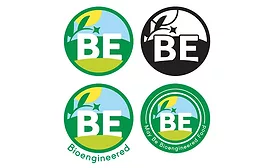
The USDA's Agricultural Marketing Service has proposed three sets of symbols to be used on labels of products compliant with the National Bioengineered Food Disclosure Standard.
Under the standard, certain human food manufacturers, retailers and importers will be required to notify consumers that a food is either bioengineered (BE) or contains BE contents.