Food Safety
search
Ask Food Safety AI
cart
facebook twitter linkedin
  • Sign In
  • Create Account
  • Sign Out
  • My Account
Food Safety
  • NEWS
    • Latest News
    • White Papers
  • PRODUCTS
  • TOPICS
    • Contamination Control
    • Food Types
    • Management
    • Process Control
    • Regulatory
    • Sanitation
    • Supply Chain
    • Testing and Analysis
  • PODCAST
  • EXCLUSIVES
    • Food Safety Five Newsreel
    • eBooks
    • FSM Distinguished Service Award
    • Interactive Product Spotlights
    • Videos
  • BUYER'S GUIDE
  • MORE
    • ENEWSLETTER >
      • Archive Issues
      • Subscribe to eNews
    • Store
    • Sponsor Insights
    • ASK FSM AI
  • WEBINARS
  • FOOD SAFETY SUMMIT
  • EMAG
    • eMagazine
    • Archive Issues
    • Editorial Advisory Board
    • Contact
    • Advertise
  • SIGN UP!
NewsContamination ControlFood TypeMicrobiological

FAO Encourages Fit-for-Purpose Approach to Water Usage in Seafood Production

By Food Safety Magazine Editorial Team
whole fresh fish on icy water
Image credit: Freepik
November 3, 2025

The Food and Agriculture Organization of the United Nations (FAO) recently released an informative report that focuses on strategies to minimize microbiological risks and promote public health through effective water management practices in the fisheries sector. The goal of the report is to strengthen national capacities to ensure the safety of water used in seafood production and processing in fisheries and aquaculture operations, through the application of risk-based tools and alignment with Codex Alimentarius standards.

The report is the product of an international workshop held in Choluteca, Honduras, from April 23–25, 2025, which was hosted by FAO and the Honduras National Agricultural Health Service (SENASA).

Key messages of the report include:

  • Fit-for-purpose water:  The report advocates for a paradigm shift towards a fit-for-purpose approach to water usage, moving beyond generalized notions of "clean water." This methodology stresses the importance of assessing specific water sources, identifying potential microbiological hazards, and implementing targeted control measures to ensure food safety.
  • Decision trees for risk mitigation: The report encourages the use of decision trees—developed by the FAO/World Health Organization (WHO) Joint Expert Meetings on Microbiological Risk Assessment (JEMRA)—as practical tools for food business operators (FBOs) to systematically evaluate water quality and manage risks. These decision trees provide a step-by-step framework for assessing water systems, identifying critical control points, and selecting appropriate treatment and monitoring strategies.
  • Global collaboration for harmonized standards: Recognizing the diverse nature of fisheries and aquaculture systems worldwide, the report emphasizes the need for international collaboration to develop harmonized, practical guidance that can be adapted to local production contexts.
  • Comprehensive resource for implementation: The report includes the workshop agenda, plans, and presentation slides, providing a complete resource for member countries to implement similar activities and enhance water safety practices in their fisheries sectors.

Overall, the report provides practical guidance, promotes collaboration, and equips countries with the tools needed to safeguard food safety in the fisheries sector.

Looking for quick answers on food safety topics?
Try Ask FSM, our new smart AI search tool.
Ask FSM →


KEYWORDS: aquaculture FAO fishery report water safety water use

Share This Story

Fsm purple logo 200x200

The Food Safety Magazine editorial team comprises Bailee Henderson, Digital Editor ✉; Adrienne Blume, M.A., Editorial Director; and Stacy Atchison, Publisher.

Recommended Content

JOIN TODAY
to unlock your recommendations.

Already have an account? Sign In

  • people holding baby chicks

    Serovar Differences Matter: Utility of Deep Serotyping in Broiler Production and Processing

    This article discusses the significance of Salmonella in...
    Contamination Control
    By: Nikki Shariat Ph.D.
  • woman washing hands

    Building a Culture of Hygiene in the Food Processing Plant

    Everyone entering a food processing facility needs to...
    Personal Hygiene/Handwashing
    By: Richard F. Stier, M.S.
  • graphical representation of earth over dirt

    Climate Change and Emerging Risks to Food Safety: Building Climate Resilience

    This article examines the multifaceted threats to food...
    Management
    By: Maria Cristina Tirado Ph.D., D.V.M. and Shamini Albert Raj M.A.
Manage My Account
  • eMagazine Subscription
  • Subscribe to eNewsletter
  • Manage My Preferences
  • Website Registration
  • Subscription Customer Service

More Videos

Sponsored Content

Sponsored Content is a special paid section where industry companies provide high quality, objective, non-commercial content around topics of interest to the Food Safety Magazine audience. All Sponsored Content is supplied by the advertising company and any opinions expressed in this article are those of the author and not necessarily reflect the views of Food Safety Magazine or its parent company, BNP Media. Interested in participating in our Sponsored Content section? Contact your local rep!

close
  • Salmonella bacteria
    Sponsored byThermoFisher

    Food Microbiology Testing Methods: Salmonella species

  • a diagram explaining indicator organisms
    Sponsored byHygiena

    How Proactive Listeria Testing Helps Prevent Six- and Seven-Figure Recalls

  • woman grocery shopping
    Sponsored byCorbion

    Designing Safety Into Every Bite: Proactive Risk Mitigation for Refrigerated Foods

Popular Stories

baby eating bottle

Infant Botulism Spike Exceeds 100 Cases, Extent of ByHeart's Involvement Unclear

NRTE breaded stuffed chicken

USDA Indefinitely Delays Enforcement of Salmonella as Adulterant in Raw Breaded, Stuffed Chicken

digital map of europe

EU Publishes Food Fraud Tool Mapping Thousands of Cases Since 2016

Events

December 11, 2025

How to Develop and Implement an Effective Food Defense Strategy

Live: December 11, 2025 at 2:00 pm EDT: From this webinar, attendees will learn common areas where companies encounter challenges in their food defense strategies and how to address them.

May 11, 2026

The Food Safety Summit

Stay informed on the latest food safety trends, innovations, emerging challenges, and expert analysis. Leave the Summit with actionable insights ready to drive measurable improvements in your organization. Do not miss this opportunity to learn from experts about contamination control, food safety culture, regulations, sanitation, supply chain traceability, and so much more.

View All

Products

Global Food Safety Microbial Interventions and Molecular Advancements

Global Food Safety Microbial Interventions and Molecular Advancements

See More Products

Related Articles

  • berries

    Are ‘Standard’ Methods to Detect Non-Cultivable Pathogens in Food and the Environment Fit For Purpose?

    See More
  • molecular research at bioMerieux Philadelphia facility

    bioMérieux Celebrates Opening of Fit-For-Purpose Molecular and Genomic Innovation Center in Philadelphia

    See More
  • farmer walking with milk container next to dairy cows in stalls

    FAO Encourages All Countries to Monitor for HPAI H5N1 Spread to Cattle

    See More

Related Products

See More Products
  • 1119160553.jpg

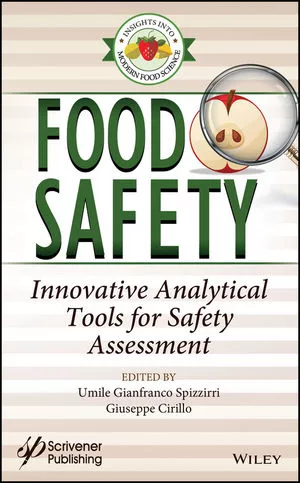
    Food Safety: Innovative Analytical Tools for Safety Assessment

  • 9781138070912.jpg

    Trends in Food Safety and Protection

  • 1119053595.jpg

    Food Safety for the 21st Century: Managing HACCP and Food Safety throughout the Global Supply Chain, 2E

See More Products

Events

View AllSubmit An Event
  • May 15, 2025

    Alarm Fatigue: How to Ensure Out-of-Compliance Alarms Serve Their Purpose and Ensure Food Safety

    On Demand: This session will explore the challenges of setting effective alarms for out-of-compliance hot and cold holding temperatures in food safety management. 
View AllSubmit An Event

Related Directories

  • Food Production Solutions Assn. & EATS

    The Food Production Solutions Association (FPSA) is dedicated to delivering innovative food and technology solutions, meaningful education, industry engagement, philanthropy, and advocacy to advance member companies and the greater food production industry. FPSA is a dynamic community of food production industry leaders and experts, where collaboration and innovation lead the future of food production.
  • Eagle Product Inspection

    Eagle Product Inspection is a leading manufacturer of hygienically designed x-ray equipment & inline fat analysis systems. Eagle specializes in complex x-ray inspection solutions using dual energy photon-counting technology for bone detection and inline fat analysis for a wide variety of industries, including meat, poultry and seafood.
×

Never miss the latest news and trends driving the food safety industry

eNewsletter | Website | eMagazine

JOIN TODAY!
  • RESOURCES
    • Advertise
    • Contact Us
    • Directories
    • Store
    • Want More
  • SIGN UP TODAY
    • Create Account
    • eMagazine
    • eNewsletter
    • Customer Service
    • Manage Preferences
  • SERVICES
    • Marketing Services
    • Reprints
    • Market Research
    • List Rental
    • Survey/Respondent Access
  • STAY CONNECTED
    • LinkedIn
    • Facebook
    • Instagram
    • X (Twitter)
  • PRIVACY
    • PRIVACY POLICY
    • TERMS & CONDITIONS
    • DO NOT SELL MY PERSONAL INFORMATION
    • PRIVACY REQUEST
    • ACCESSIBILITY

Copyright ©2025. All Rights Reserved BNP Media.

Design, CMS, Hosting & Web Development :: ePublishing