The second edition seeks to bridge the gap between food safety culture in theory and in practice by equipping the global food industry with a multidimensional model that can be used to transform cultural intention into consistent, measurable food safety performance.
The “Future of Food Regulation” initiative will explore several reforms, such as a new, data-informed approach to regulating large food businesses and proposals to make the Food Hygiene Rating display mandatory in England.
Nearly all of the ill people interviewed reported consuming Raw Farm-brand raw dairy products. Testing and an onsite inspection of Raw Farm’s operation in California is ongoing. Raw Farm LLC has yet to issue a recall.
The Canadian-based study represents some of the first evidence linking an area’s retail food environment, including the density of “healthy” and fast food outlets, with recorded food safety infractions as a proxy for foodborne illness risk.
The Center for Produce Safety-funded project aims to generate practical guidance for produce growers, including improved sampling approaches to determine whether groundwater is influenced by surface water, and immediately actionable recommendations for mitigating microbial contamination and biofilms in irrigation systems.
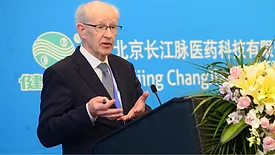
With a six-decade career that includes founding the Global Harmonization Initiative, Mr. Lelieveld was formerly a longtime member of Food Safety Magazine's(FSM’s)Editorial Advisory Board and a past recipient of the FSM Distinguished Service Award.
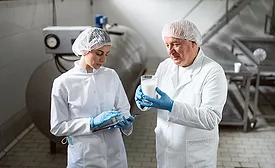
A survey of food safety and quality professionals in the dairy industry found that digital transformation is inconsistent and weighted toward larger companies. Current uses of digital tools and barriers to adoption were identified.
Introduced by Assemblymember Jesse Gabriel, AB 2244 would establish the “California Certified” seal for non-ultra-processed foods (non-UPFs) that can be displayed on the label of qualified food products, similar to the "USDA Organic" seal.
A JEMRA meeting was convened to help inform discussions about potential updates to Codex Alimentarius guidance, reflecting how scientific advances could strengthen microbiological risk assessments for food safety.