Providing evidence for potential Produce Safety Rule standards, the assessment examined how pathogens survive in untreated biological soil amendments of animal origin (BSAAO) and contaminate produce. FDA found that longer time between BSAAO application and harvest significantly reduces crop contamination.
The Infant Formula Safety Modernization Act includes provisions about expanded pathogen testing requirements and compulsory environmental monitoring for infant formula manufacturers, among other mandates.
Researchers have developed and validated a rapidly vaporizing antimicrobial liquid designed for dry sanitization, which, after further optimization and regulatory approvals, could offer a potential alternative to highly flammable alcohol-based solutions.
By the end of May, complaint systems for all FDA-regulated products, including human and animal foods, will be replaced by the new, streamlined Adverse Event Monitoring System (AEMS).
Marking the country’s first use of whole genome sequencing (WGS) in an active foodborne illness outbreak investigation, advanced genomics enabled Moldovan authorities to rapidly solve and respond to a salmonellosis outbreak that sickened more than 140 people in 2025.
UK businesses will be required to align with relevant EU regulatory requirements within the scope of the Sanitary and Phytosanitary (SPS) agreement, regardless of whether they export to the EU or sell only to the UK market.
TraceMap supports national authorities in identifying food safety threats and improving EU-wide coordinated response. A pilot version of TraceMap was recently used to support the investigation of globally distributed cereulide-contaminated infant formula.
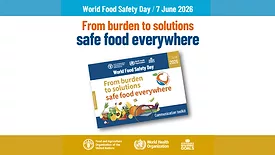
The theme, “From Burden to Solutions—Safe Food Everywhere,” stresses the role of evidence-based action, promoting the forthcoming updated WHO global foodborne disease estimates as a data source to inform targeted food safety and public health interventions.
In this episode of Food Safety Matters, Richard Stier, M.S., a consulting food scientist and longtime Food Safety Magazine contributor, recalls lessons from decades in food processing facilities, discussing crisis preparedness, internal audits, facility sanitation and employee hygiene, HACCP, and why strong food safety programs must be continuously improved to remain effective.







.webp?height=168&t=1691503719&width=275 "FoodSafetyMattersFinal-900x550-(002).jpg")