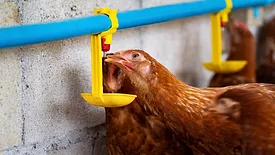
Elevated levels of certain metals and the presence of commonly used disinfectants were found to inactivate Salmonella vaccines administered to poultry via drinking water.
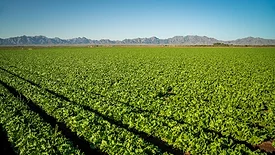
The California Longitudinal Study, a five-year environmental study of California’s Central Coast produce-growing region, identified wildlife, livestock, and surface water as potential contributors to the persistence and movement of Shiga toxin-producing Escherichia coli (STEC).
The engineering-led assessment program helps food and beverage processors identify drainage risks, prioritize hygienic upgrades, and implement facility-specific standard operating procedures (SOPs) for long-term performance.
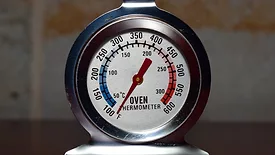
Maximum reductions in norovirus infectivity occurred rapidly once temperatures reached 60 °C (140 °F). The findings could help inform improved thermal processing recommendations for foodborne norovirus.
Marking the first time an SQF Code is introduced as a fully digital experience, the newly released Edition 10 is designed to strengthen audit credibility, reinforce food safety culture, and provide clearer signals around risk.
The researchers positioned the machine learning model as a low-cost complement to traditional testing workflows, helping dairy processors enhance food safety while targeting laboratory resources.
The March 27 hybrid event will discuss new methodologies to produce existing dietary ingredients and specific ingredient types, including proteins, enzymes, and microbials, within the scope of the Dietary Supplement Health and Education Act of 1994.
ReposiTrak asserts that this use case provides evidence that large-scale, automated traceability in compliance with FDA’s Food Traceability Rule is both operationally feasible and economically practical.
The portable DateCodeGenie Mini allows operators in foodservice and food retail establishments to apply harmonized labels to products, which can be updated through a centralized digital portal.