The SMARTBIOME platform combines high‑resolution DNA sequencing with bioinformatics and data science, an exclusive spoilage knowledge base, and expert consulting services to translate microbiological data into actionable insights.
The research from Oregon State University also found that queso cotija supports L. monocytogenes survival but not growth, and that organic acid surface treatments could inhibit L. monocytogenes growth on queso fresco.
The three-year partnership will focus on driving food safety, sustainability, and resiliency, aligned with One Health principles, by leveraging advanced technological tools and science.
The findings emphasize the need for cereal manufacturers to optimize processing steps for each process contaminant, while also considering the effects on product quality.
Integration between the companies’ networks and platforms supports compliance with FDA’s Food Traceability Rule and enables suppliers to earn the TraceApproved FSMA 204 traceability readiness badge.
Based on the largest database of detection rates yet compiled, new global foodborne diarrheal disease burden estimates will serve as inputs for WHO’s forthcoming updated, broader estimates on the global burden of foodborne diseases.
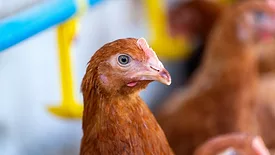
A high proportion of Campylobacter and Salmonella from food-producing animals across Europe are resistant to antimicrobials that are important to human medicine. Escherichia coli resistance to last-resort carbapenems is growing.