However, concerning levels of arsenic and lead were detected in some products, and Consumer Reports is therefore urging FDA to set limits for these metals in infant formula. PFAS were also found in more than a quarter of products.
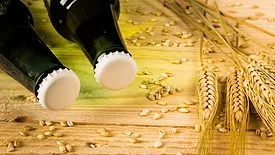
Incorporating a novel “bio-fumigation” method based on a natural compound produced by mustard plants, the micro-malting machine effectively addresses mycotoxins while preserving quality. USDA is working with industry to scale the prototype for widespread adoption.
The collaboration aims to broaden access to inspection and certification services for agriculture and food enterprises operating in Vietnam’s dynamic regulatory and commercial environment.
Researchers found that the presence of nanoplastic particles can increase the expression of virulence and antimicrobial resistance (AMR) genes in Salmonella,and can also encourage biofilm formation.
In an analysis of domestic refrigerator swabs, researchers discovered complex microbial communities harboring foodborne pathogens and antimicrobial resistance (AMR). The findings also suggested that regular cleaning is possibly more important than temperature control in managing these communities.
Unlike plastic, the mycelium- and cellulose-based material is biodegradable and free of chemicals of concern. It is likely safe for humans and the environment in the long term, as demonstrated by humanity’s history of consuming fungi.
The scientists will isolate and identify pathogens like Salmonella enterica and Listeria monocytogenes from Pennsylvania wastewater using whole genome sequencing (WGS), then work with the State Department of Health to connect isolates to foodborne illness outbreaks.
Dispersibility may be a useful tool for simulating the spread and hygienic control of allergenic food powders. Researchers recommend that producers add powders from as low a position as possible to reduce the risk of cross-contamination.
FDA has declared the outbreak over with 48 confirmed and probable cases of illness. A root-cause investigation is still ongoing. FDA has also announced new “Operation Stork Speed” infant formula resources for families.
The educational series comprises four distinct food safety events taking place across the U.S. to help address the nut industry’s diverse challenges through networking, professional development, and knowledge-sharing.