The Food Safety Authority of Ireland (FSAI) has published its first national risk ranking of microbiological foodborne hazards, which is intended to support risk-based food safety management by helping prioritize prevention, surveillance, and control efforts.
Although the overall global burden has decreased, persistent and increasing burdens from specific foodborne parasites and in certain regions warrant continued public health attention.
The VR Sleeve Gloves combine heavy-duty nitrile gloves with PolyCo’s lightweight VR Protective Sleeves for protection against disinfectants and other harsh chemicals.
Effective July 1, the amended Regulation (EU) 2073/2005 on the microbiological criteria for foods expands the requirements for food business operators regarding Listeria monocytogenes in ready-to-eat (RTE) foods.
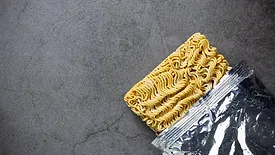
At least 106 people have been infected by the outbreak strain in 13 European countries. Young people are disproportionately affected. Some sickened children reported eating the noodles and seasoning dry, without adding boiling water as instructed on the package.
The acquisition combines its original equipment manufacturer (OEM) parts distribution network with 86 Repairs' repair and maintenance management software platform for foodservice operators.
Central to the strategy are food industry-specific tools designed to support product development, regulatory compliance, traceability, and commercialization for food and beverage companies.
The platform was developed to address limitations of earlier DNA barcoding methods by using species-targeted genomic approaches, authenticated reference materials, and analytical systems designed specifically for commercial botanical products.
The Center for Produce Safety (CPS)-funded study also found that some produce items may naturally inhibit Listeria monocytogenes growth and that peracetic acid may sometimes promote Listeria growth during storage.
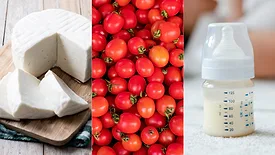
The Alert and Cooperation Network (ACN), which enables EU Member States to exchange information and coordinate responses to food safety incidents, processed a record 10,490 notifications. Notable incidents included a Listeria outbreak linked to French cheese, Salmonella in Italian tomatoes, and cereulide in infant formula.