Only six deaths were reported in 2024. The majority (nine) of the 12 fatalities in 2025 were included in one E. coli outbreak linked to ground beef served at long-term care facilities nationwide.
The companies are assessing the effects of controlled light exposure during fermentation on the growth and characteristics of coffee cell cultures. Coffee cell culture may offer an alternative production pathway that is less dependent on agricultural growing conditions.
Each operating company retains its name, people, customer relationships, and local presence while gaining access to shared resources, broader sourcing strength, operational support, and additional capabilities.
Between 2015 and 2024, the German Federal Office of Consumer Protection and Food Safety (BVL) and the Robert Koch Institute investigated 3,021 foodborne illness outbreaks.
In this episode of Food Safety Matters, we speak to Fresca Foods’ Vice President of Operations, Miguel Ramirez, and former Fresca Foods FSQ Manager Madisen Hodgson, M.S. about cultivating a strong and effective food safety culture, including practical tips for measuring outcomes, driving continuous improvement, engaging frontline employees and leadership, and more.
Based on the findings, researchers recommended targeted food safety messaging for older adults that raises awareness of age-related susceptibility to foodborne illness and the potential severity of infection, and acknowledges the effects of health, financial, and environmental realities on food safety practices.
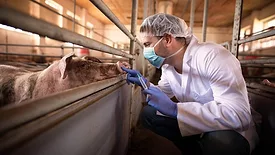
Overuse or misuse of antimicrobials and improper disposal of antimicrobials in the agri-food system may result in food and environmental contamination and contribute to the global rise of AMR.
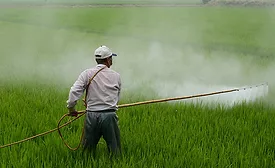
The Paraquat Prevention Act would cancel all EPA-registered uses of the herbicide and permanently prohibit its reregistration. More than 70 countries, including the EU and China, have banned the domestic use of paraquat, although China still manufactures and exports the chemical to the U.S.
The 2018 Farm Bill legalized the sale of hemp-derived products containing no more than 0.3 percent delta-9 THC, allowing a “legal” edibles and beverage market to emerge. The 2025 government shutdown reconciliation bill closed this “loophole,” effective in November.
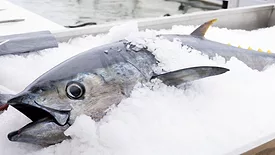
Scombroid toxin and ciguatoxin caused the greatest number of illnesses, hospitalizations, and death. Characterizing marine toxin outbreaks can help guide prevention efforts.





.webp?height=168&t=1691503719&width=275 "FoodSafetyMattersFinal-900x550-(002).jpg")