Researchers from Purdue University conducted focus groups with Indiana produce growers who qualified for exemptions from the Food Safety Modernization Act Produce Safety Rule, examining the beliefs and practical constraints that shape on-farm food safety practices.
The guidance agenda lists topics that the program is considering for possible guidance documents or revisions to existing guidance documents, spanning Food Chemical Safety, Dietary Supplements, and Innovation; Microbiological Food Safety; and Nutrition.
When a certain protein pathway was disrupted in the assembly of extracellular matrices, normal Bacillus cereus biofilm formation was impaired, but compensatory responses enabled a level of matrix plasticity that could help explain why biofilms are difficult to eradicate.
Traceability investigations identified a common seed supplier, with implicated alfalfa seeds imported from India and distributed throughout Europe. Available evidence suggested the seeds were likely contaminated before entering the EU.
Reoccurring, emerging, and persisting (REP) strains cause foodborne illnesses over extended periods of time, rather than through isolated outbreaks. The REP framework was jointly developed by CDC, FDA, and USDA-FSIS through the Interagency Foodborne Outbreak Response Collaboration.
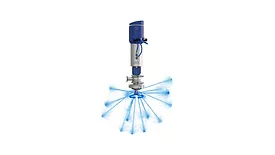
The Controlled Rotating Retractor and Controlled Rotating Retractor UltraPure are designed to provide up to twice the cleaning efficiency of conventional static spray balls while reducing water and cleaning media consumption.
According to the company, the GENE-UP TYPER SLM assay specifically targets S. enterica, the subspecies most commonly associated with human salmonellosis and foodborne illness.
The Arkansas-based study showed that repeated mid-season soil aeration events significantly reduced arsenic concentrations in rice grain without increasing cadmium levels, providing field-scale evidence that water management can help mitigate arsenic accumulation.
The new tools include a Documents API, a Record Attachments API, and Power BI Connector v3.1.0. The additions are intended to reduce manual data handling and improve information-sharing between SafetyChain and external platforms.