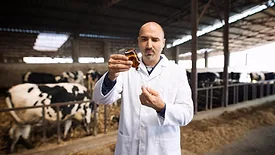
Citing concerns about antibiotic overuse in food-producing animals contributing to the spread of antimicrobial resistance (AMR), the petition calls for FDA to withdraw approvals for the routine use of medically important drugs for disease prevention.
Four European research and innovation projects—SecureFood, EFF-CoP, ACT4FOOD, and DEFENSEFOOD—will host a joint webinar on July 3, titled, "Advancing Food System Security: From Early Signals to Systemic Resilience.”
The Partnership for Food Safety Education is offering resources to help families, educators, and community leaders prevent foodborne illness during America 250 celebrations through simple, science‑based steps.
The accreditation from COFRAC, France’s sole national accreditation body, covers inspections to assess food safety and quality practices at food retail establishments.
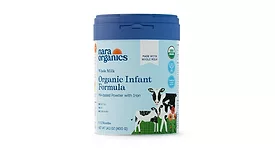
Three babies in three states have been sickened in the second infant botulism outbreak identified since late-2025. All patients were fed Nara Organics Whole Milk Infant Formula. A recall has been issued, and product testing is underway.
The WHO Advisory Group on Pesticide Specifications supports the evaluation of scientific dossiers to inform the development of WHO specifications for public health pesticides.
Moringa oleifera seed extract could potentially serve as a sustainable alternative to conventional alum coagulants for microplastic removal in drinking water treatments, while also allowing for process simplification and cost savings.
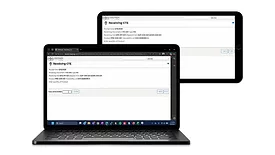
The app-based STEPLogic Tracker is purpose-built for mid-sized food manufacturers and supports industry compliance with FDA’s Food Traceability Rule/FSMA 204.
A series of tabletop exercises led by FDA and involving food companies across the supply chain revealed industry’s progress and challenges in meeting the requirements of the Food Traceability Rule/FSMA 204.