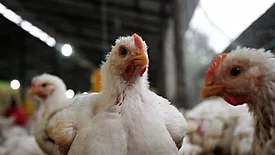
Campylobacter is the leading cause of foodborne illness in the UK, most frequently linked to contaminated chicken. The UK Food Standards Agency conducted a scientific assessment to consider possible future actions for reducing foodborne campylobacteriosis.
Polycyclic aromatic hydrocarbons (PAHs) are potentially carcinogenic compounds formed during high-heat cooking. An emerging testing method known as QuEChERS—which stands for “Quick, Easy, Cheap, Effective, Rugged, and Safe”—is designed to overcome the limitations of conventional PAH tests.
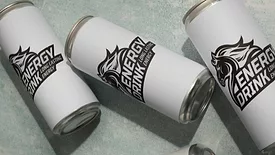
Due to the increased consumption of energy drinks and other caffeinated products among young people, the Swedish National Food Agency (Livsmedelsverket) is introducing dietary guidelines for children and adolescents' caffeine consumption.
Young child formula, commonly referred to as “toddler milk,” is widely marketed for use in young children’s diets. FSANZ assessments indicate there is a need for greater regulatory clarity to ensure product composition, labeling, and representation consistency.
FAO, WHO, and the Codex Coordinating Committees for Africa and the Near East led a training with more than 350 participants from the Africa, Near East, and Eastern Mediterranean regions, focused on participation in Codex standard-setting work.
In this episode of Food Safety Matters, we speak to water activity specialist and researcher Dr. Brady Carter about the importance of understanding water activity for shelf-life prediction, enhancing food safety and quality, and improving food system sustainability.
A new study led by the University of Toronto and supported by IAFNS highlights a critical tension in sodium reduction policy, in that many of the foods contributing most to sodium intake also provide essential nutrients.
Element Six and Oxi Tech Solutions have partnered to develop an ozone-powered, synthetic diamond-enabled sanitation solution, which the company says enhances the safety, eco-friendliness, and effectiveness of industrial cleaning.
The update to the all-in-one food safety, quality, traceability, and compliance platform is designed to strengthen how food companies prepare for audits, verify traceability systems, and respond to potential recall events.
A letter signed by Senator Amy Klobuchar and 24 others asks USDA to consider the impacts of its recently announced plans to restructure and relocate its Research, Education, and Economics Mission Area, including ARS and NIFA.




.webp?height=168&t=1691503719&width=275 "FoodSafetyMattersFinal-900x550-(002).jpg")