The global food and beverage trade exhibition will take place on May 26–30 at IMPACT Muang Thong Thani, Bangkok, under the theme “BIGGER, BETTER, BOLDER,” welcoming food buyers and importers from more than 130 countries worldwide.
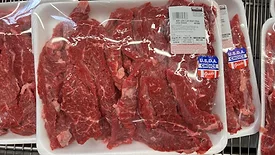
Consumers often throw away meat that is still safe to eat based on the “sell by” date. Auburn University researchers are investigating methods to predict meat spoilage based on microbial activity, which would enable more accurate “sell by” dates.
The PartPredictor tool and other digital resources offered by Parts Town have been updated to better help foodservice industry users find the right Original Equipment Manufacturer (OEM) parts, improve first-time fix rates, and reduce equipment downtime.
The bipartisan bill would prohibit the sale of “mislabeled” alternative protein products, requiring such products to bear “accurate” labels that clearly differentiate them from conventional meat and poultry.
Drawing from EFSA risk assessments, OpenFoodTox provides structured summaries of hazard information for thousands of individual substances, including food additives and flavorings, pesticides, contaminants, and food contact materials.
Piloting of these assessments began in April and will continue through fiscal year 2026 at facilities across FDA inspectorates, including human and animal foods. The assessments are short, focused screening assignments that complement standard FDA inspections.
EFSA conducted an acute exposure assessment for glycerol in slushies and dealcoholized wine following reports of toddlers and young children experiencing glycerol intoxication due to excessive slushie consumption in a single sitting.
The guideline is designed to help small and very small plants producing egg products meet the regulatory requirements under the Egg Products Inspection Regulations Final Rule, including sanitation and HACCP requirements.
The solution is relevant to the food and beverage industry, where ultra-high-purity carbon dioxide is required for carbonation, packaging, and preservation processes.
Based on the results of testing more than 125,000 food samples collected across Europe, compliance with EU pesticide maximum residue levels remains high, reported the European Food Safety Authority (EFSA).