Goods Valued at €95 Million Seized in Operation OPSON XIV Targeting EU Food Fraud
Europol, the European Anti-Fraud Office (OLAF), the European Directorate-General for Health and Food Safety (DG SANTE), and authorities from 31 countries, along with the private-sector, collaborated to execute the 14th annual of Operation OPSON, which targets counterfeit and substandard food and beverages.
The most recent operation led to the seizure of:
- 259,012 packages
- 1.4 million liters (L) of beverages
- 11.6 million kilograms (kg) of food.
Key outcomes included:
- 631 individuals referred to judicial authorities
- 101 arrest warrants issued
- 13 organized crime groups disrupted
- Goods worth approximately €95 million seized
- 31,165 inspections conducted.
A major activity frequently disrupted during OPSON XIV was the infiltration of waste disposal companies by organized crime groups to access expired food. Criminals removed original expiration dates and reprinted falsified ones, reintroducing expired and unsafe products, such as canned fish, into the supply chain.
Other common food fraud included the circulation of counterfeit products and the misuse of protected geographical indications, especially affecting olive oil and wine.
Authorities also uncovered meat and seafood that was sold despite poor storage or unhygienic slaughter conditions.
Highlighted investigations from OPSON XIV include:
- In Italy, seven individuals were arrested for illegally slaughtering pharmaceutical-treated horses. A clandestine slaughter site and truck with illegal meat were seized.
- In Portugal, an illegal slaughter operation lacking sanitary standards was dismantled. A suspect was arrested, and 33 slaughtered animals and 200 kg of offal were seized.
- In Spain, a cross-border operation exposed a network trafficking contaminated clams illegally harvested from the River Tajo, resulting in 11 arrests. The clams were distributed across Portugal, Spain, France, and Italy, generating up to €2.5 million weekly.
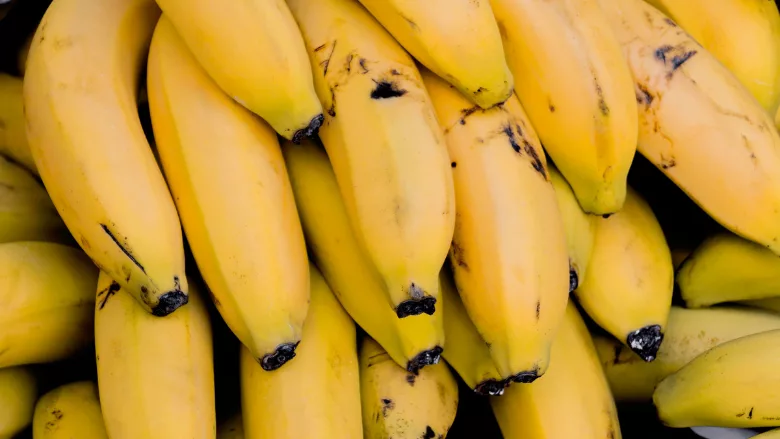
- Also in Spain, a company falsely labeled Madeira bananas as Canary Islands bananas, violating protected designation rules. About 2,000 tons were fraudulently marketed.
- In Georgia, two individuals were detained for smuggling undeclared alcohol, tobacco, and other goods using false customs documents. Seized items were valued at over €73,000.
Looking for quick answers on food safety topics?
Try Ask FSM, our new smart AI search tool.
Ask FSM →