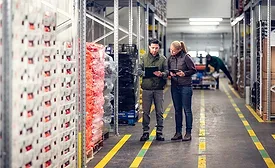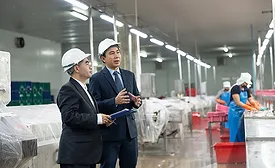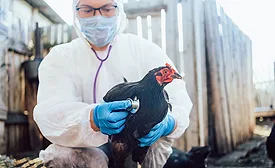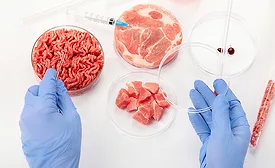
Processors must develop, document, implement, and maintain a protocol for how non-conforming products will be handled. The bottom line is to ensure that non-conforming product is not inadvertently shipped.
Polyethylene terephthalate (PET) is not flawless; no packaging material is. However, its long safety record, rigorous regulatory oversight, and strong sustainability profile make it a material worth defending.
Quality assurance professionals and frontline leaders must ensure that food handlers learn and apply food safety principles on the job. Effective food safety training should be action-oriented, engaging, and designed to build competence.
This article explores how the integration of Lean Six Sigma and benchmarking methodologies offers a robust framework for optimizing process manufacturing.
A massive wave of consumer class actions targeting food manufacturers, distributors, and retailers is sweeping across industries as the plaintiffs' bar aggressively targets product labeling and advertising under California's consumer protection statutes. Companies should be aware of these practices and develop a plan to lessen the risk of receiving such claims.
This article discusses the practical value of tried-and-true facts in food safety and quality microbiology that have vast importance in solving and resolving practical contamination problems.
Due to the small, tender quality of berries, individual quick freezing (IQF) and isochoric freezing are ideal options that have been explored to improve preservation. Progress in isochoric freezing technology can revolutionize the methods that are used to handle and store berries.
This article discusses trends and data for microbiological testing in the food and beverage sector, informed by data collection, surveys, and interviews with end-users at food processors, laboratories, manufacturers of test kits/instruments, and other companies in the global market.
The retail foodservice industry’s challenge in preventing foodborne illness comes from gaps in prevention—i.e., the interpretation, implementation, and execution of existing knowledge about root causes and hazards controls.
Food processors do not always consider the physical hazards that may be brought in with agricultural raw materials, or have systems in place to address them. Focus may also be diverted by looking at other sources of foreign material because adequate agricultural information is not available.