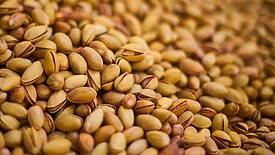
Sodium hypochlorite (NaOCl), a chlorine-based chemical used to bleach tree nut shells for aesthetic purposes, can react with fatty acids in the edible kernels to form potentially harmful fatty acid chlorohydrins. Researchers called for further toxicological evaluation of these process contaminants.
The researchers concluded that no single alternative currently fulfills all of the antimicrobial and technological functions provided by conventional nitrites and nitrates. Instead, they identified hurdle technology as the most promising approach.
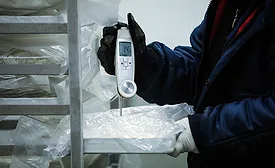
This article explains how two-point testing against traceable temperature standards, supported by appropriate inspection, verification, calibration, and documentation practices, can help build a more accurate and audit-defensible temperature monitoring program.
SÜDPACK has expanded its flexographic printing capabilities at its Competence Center in Kłobuck, Poland with the installation of a new high-performance printing system.
At the highest tested dose, every isolate, even those exhibiting antimicrobial resistance (AMR), underwent at least a 2-log reduction in viable cells. Modeling suggested that such a reduction could decrease public health risk of infection by up to 90 percent.
On the International Day of Awareness of Food Loss and Waste, WPO convened UNIDO, FSSC, and Wageningen University and Research to discuss the Sustainable Packaging Assessment Methodology (SusPAM) and explore how packaging decisions can protect food, help prevent avoidable loss, and support broader sustainability goals.
Researchers from the Helmholtz Center for Environmental Research and the Food Packaging Forum have proposed a panel of 15 high-throughput in vitro bioassays to screen chemicals for biological activity associated with cancer, brain-related harms, cardiovascular disease, and other disorders.
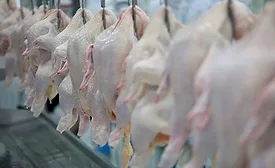
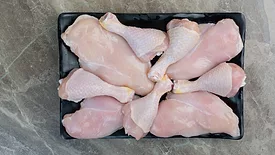
A review led by researchers at the University of Nebraska–Lincoln found that high-pressure processing (HPP) can reduce foodborne pathogens in raw chicken and described pressures and holding times that significantly influenced microbial inactivation.
 RSS
RSS