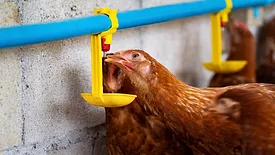
Elevated levels of certain metals and the presence of commonly used disinfectants were found to inactivate Salmonella vaccines administered to poultry via drinking water.
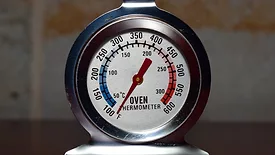
Maximum reductions in norovirus infectivity occurred rapidly once temperatures reached 60 °C (140 °F). The findings could help inform improved thermal processing recommendations for foodborne norovirus.
In his remarks on a recent Joe Rogan Experience podcast episode, Secretary Kennedy also suggested FDA is considering a new approach to front-of-pack nutrition labeling.
Incorporating a novel “bio-fumigation” method based on a natural compound produced by mustard plants, the micro-malting machine effectively addresses mycotoxins while preserving quality. USDA is working with industry to scale the prototype for widespread adoption.
Researchers found that the presence of nanoplastic particles can increase the expression of virulence and antimicrobial resistance (AMR) genes in Salmonella,and can also encourage biofilm formation.
Unlike plastic, the mycelium- and cellulose-based material is biodegradable and free of chemicals of concern. It is likely safe for humans and the environment in the long term, as demonstrated by humanity’s history of consuming fungi.
Following Codex recommendations for risk-based allergen Precautionary Allergen Labeling (PAL) and thresholds, the European Commission has posted a forthcoming draft act to its public feedback portal on harmonized requirements for the use of voluntary PAL statements.
A new study quantified the allergen cross-contamination that occurs in shared frying oil and evaluated the efficacy of different filters in removing allergen protein residues from oil.
In this episode of Food Safety Matters, we speak to food science and packaging expert Dr. Claire Sand about the regulatory, sustainability, and technical considerations for food companies regarding chemicals of concern in packaging, and what the future of food packaging might look like.
 RSS
RSS