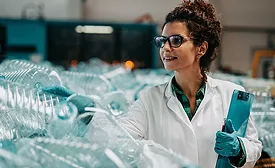
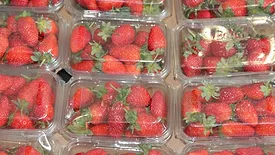
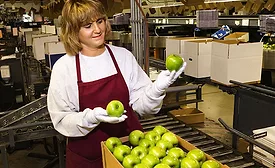
Recyclable. Recycled content. Compostable. Made from bio-materials. Which of these makes for the safest, most sustainable package? These can be misleading questions, especially when it comes to food packaging. Many sustainable packaging goals and trends can affect food safety work. Also, the concept of food safety as the primary element in sustainable packaging decisions must logically flow through an organization from the top down, through the key relevant vertical groups.
The food and beverage industry is undergoing a digital transformation. From large corporations to smaller, more flexible brands, companies are using digital technologies to collect more data regarding their workflow processes and to ensure safety and quality in food processing, packaging, and distribution.
On Tuesday morning at the 2022 International Association for Food Protection (IAFP) Annual Meeting, leading industry academics discussed the topic of enteric virus persistence in low-moisture foods.
Antares Vision Group (AVG) recently introduced a new series of inspection technology that incorporates multiple inspection controls into single machines.
Clean labeling is on the rise. Food producers must consider the packaging techniques and technologies that are used during manufacturing in order to label products as "clean."
The IAFNS 2022 Annual Meeting and Science Symposium featured a panel that addressed emerging food safety concerns associated with new modes of food retail, such as e-commerce, ghost kitchens, and delivery services.
Cascades continues to expand within the isothermal packaging market by enhancing its home delivery meal box technology and opening a new production facility in York, Pennsylvania.
METTLER TOLEDO will demonstrate a variety of inspection systems for the commercial baking industry, including its new X34C x-ray inspection system, at the 2022 International Baking Industry Exposition (IBIE).
Food companies that prepare fresh food items often source individual ingredients from primary suppliers. The food safety risk is typically controlled at primary supplier plants or farms; however, the food safety stakes are high. It is necessary to have "boots on the ground" to assess how food safety and quality programs are integrated with the front-line operation for those suppliers who mitigate food safety risk on the behalf of a receiving company.
 RSS