Notable pathogen–food commodity pairings emerged, including Clostridium botulinum and Alaskan traditional fermented meats and fish. The analysis was conducted by FDA and CDC researchers.
The updated compliance program for pesticide residues includes a new focus on risk-based sampling of foods commonly consumed by young children and reflects procedural changes to the laboratory testing and analysis methods.
On May 26, Vermont Governor Phil Scott signed into law two bills related to food chemical safety; specifically, the nation’s first state-level ban on paraquat (H.739) and legislation setting heavy metals testing and disclosure requirements for baby food manufacturers (H.536).
Studies funded by the Center for Produce Safety (CPS) are investigating ways to improve produce packinghouse brush sanitation, including the use of antimicrobial light and choosing the best time to replace brushes.
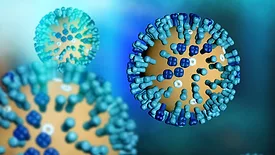
A new study demonstrated the efficacy of far-UV-C light at 222 nm for inactivating human norovirus on surfaces. As it is safe for humans, researchers believe UV-C 222 could enable real-time, continuous disinfection in enclosed foodservice settings and food processing environments.
FDA published a literature review on the eight phthalates currently approved for food contact uses to determine whether they should be considered chemically and/or pharmacologically related for the purpose of cumulative risk assessment.
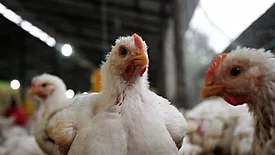
Campylobacter is the leading cause of foodborne illness in the UK, most frequently linked to contaminated chicken. The UK Food Standards Agency conducted a scientific assessment to consider possible future actions for reducing foodborne campylobacteriosis.
Polycyclic aromatic hydrocarbons (PAHs) are potentially carcinogenic compounds formed during high-heat cooking. An emerging testing method known as QuEChERS—which stands for “Quick, Easy, Cheap, Effective, Rugged, and Safe”—is designed to overcome the limitations of conventional PAH tests.
A series of first-of-their-kind, large-scale epidemiological studies have suggested associations between food dyes—both “natural” and artificial—and preservatives, and an increased risk of chronic health conditions like cancer, type 2 diabetes, hypertension, and cardiovascular disease.
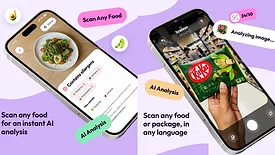
SnackPro, which helps users identify potential allergens in foods through image analysis, was developed by the father of a child with severe food allergies.
 RSS
RSS